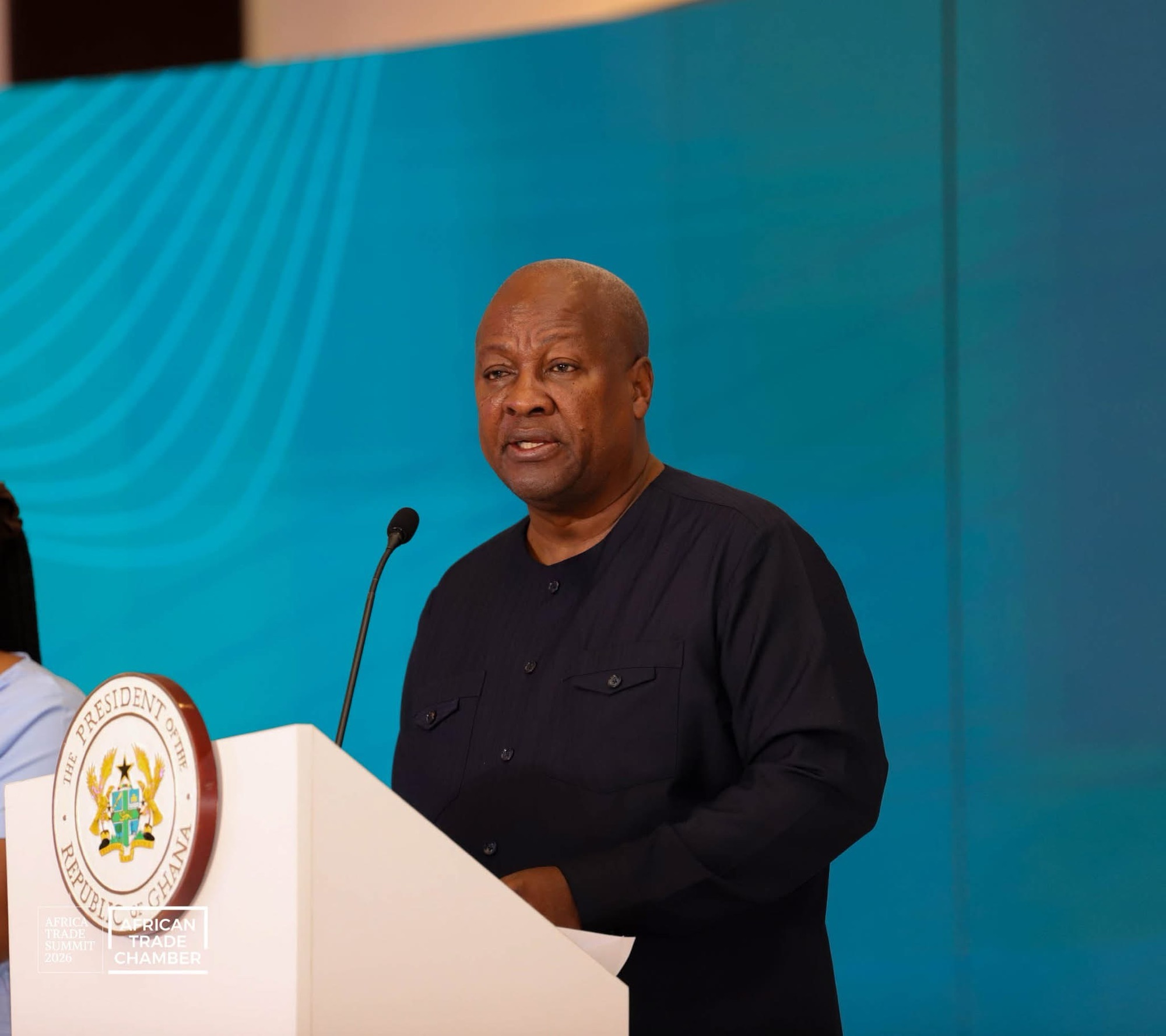

President John Dramani Mahama has called for bold, coordinated action to finance Africa’s industrialization, warning that the continent risks remaining trapped in a “new colonial arrangement” if it continues exporting raw materials while importing finished goods.
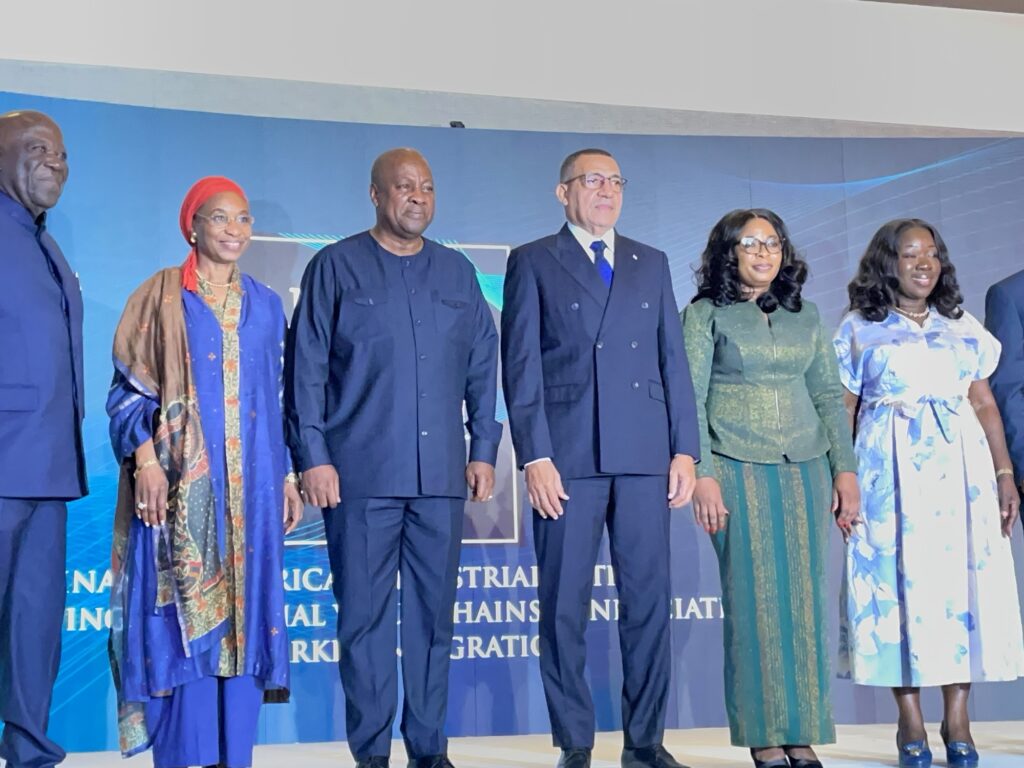
Speaking at the Africa Trade Summit 2026, President Mahama said Africa’s economic independence and political freedom depend on its ability to develop strong industrial value chains anchored in manufacturing and agro-processing. He criticized the prevailing economic model that limits African economies to primary production, noting that it undermines long-term growth and job creation.
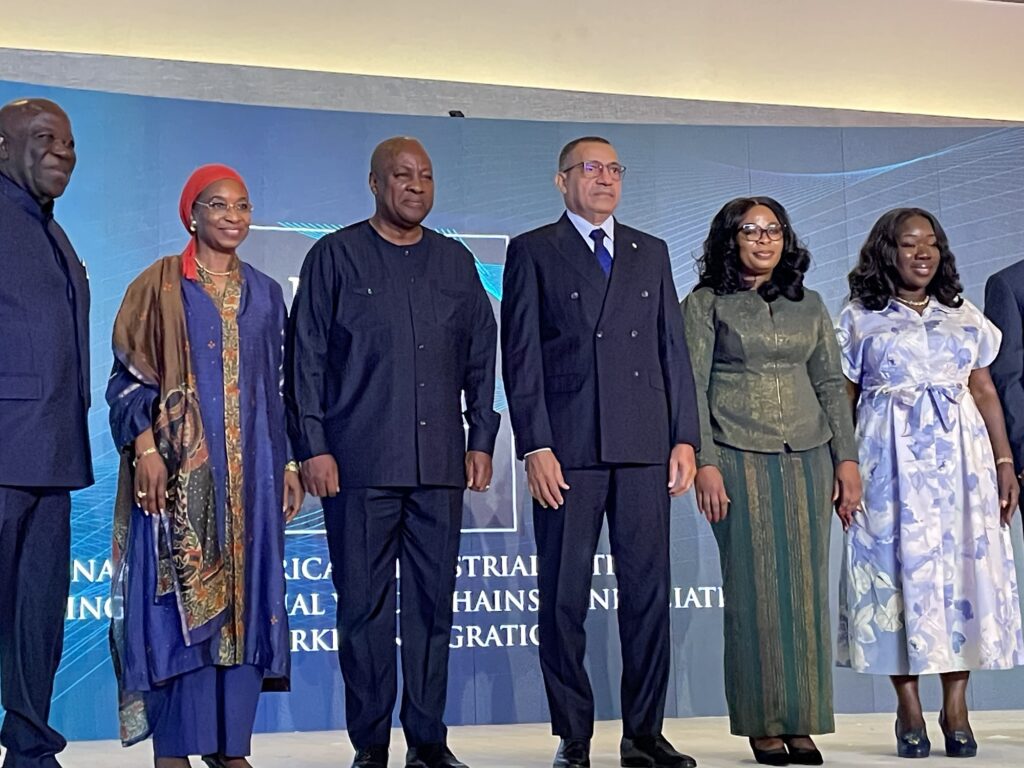
President Mahama observed that Africa’s share of global manufacturing remains below two percent, leaving many economies stuck in low productivity activities. He said this reality has contributed to widespread unemployment and forced many young Africans to seek opportunities outside the continent.
At the heart of Africa’s challenge, he said, is the question of how to finance industrialization at the scale and speed required. Industrial development, he noted, is capital-intensive, yet African economies face shallow financial markets, high interest rates, and limited investment beyond extractive industries.
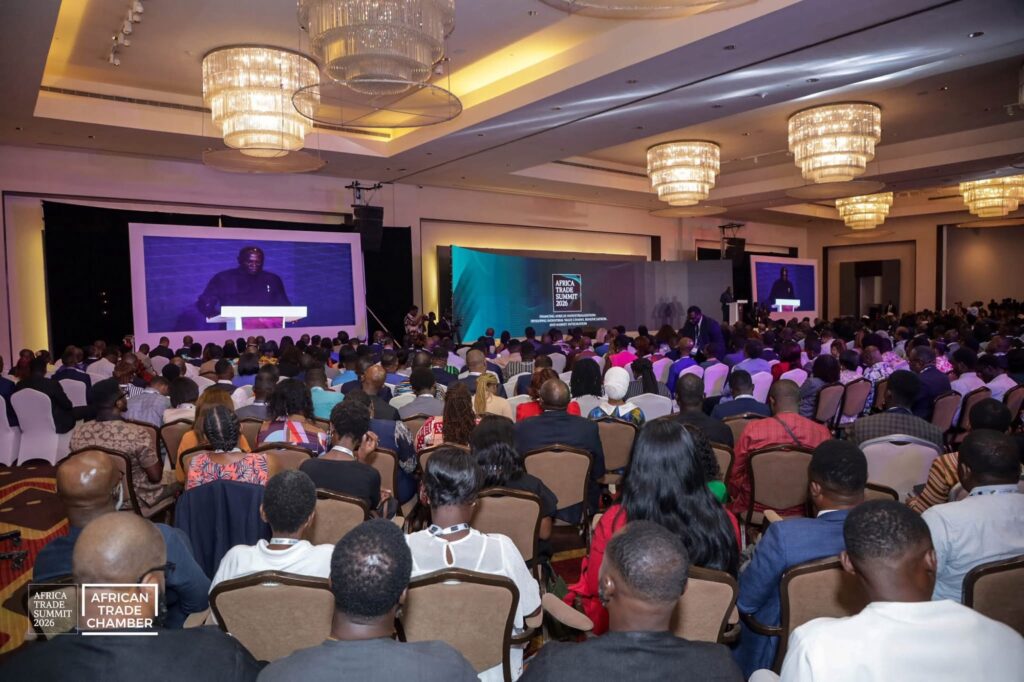
To address these constraints, President Mahama urged African countries to mobilize domestic resources more effectively through improved revenue collection and stronger public financial management. He also called for greater use of institutional capital from pension funds, insurance companies, and sovereign wealth funds to support productive industrial investments.
He emphasized the need to strengthen development finance institutions such as the African Development Bank and the African Government Bank to help mobilize private capital. Governments, he said, must also play an active role in crowding in private sector investment through public-private partnerships, risk-sharing mechanisms, and credit guarantees.
President Mahama highlighted the importance of development partners and multilateral institutions in providing concessional finance, guarantees, and insurance instruments for industrial projects. He stressed that Africa must continue to advocate for reforms to the global financial system to ensure fair access to capital and sustainable debt solutions.
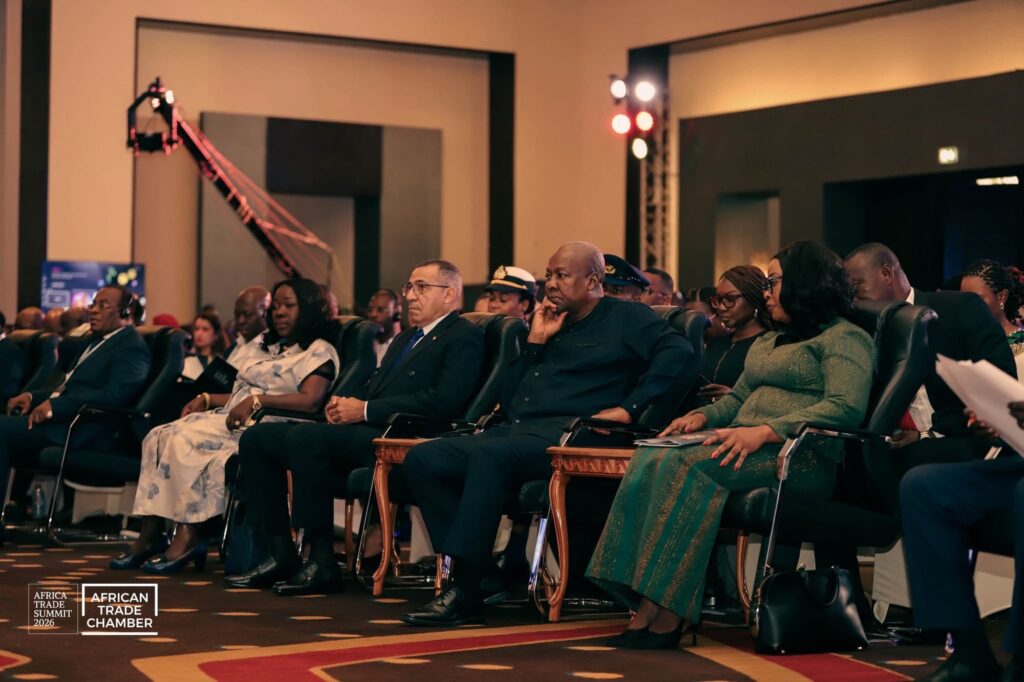
Industrialization, he said, must be based on value addition and beneficiation, rather than large foreign-owned concessions that replicate colonial-era structures. As an example, he cited Ghana’s establishment of the Ghana Gold Board, which has strengthened national control over gold exports and increased value retention.
The President further stressed that Africa’s industrial future cannot be achieved within fragmented national markets. He pointed to regional value chains and the African Continental Free Trade Area (AfCFTA) as critical to unlocking industrial growth. Describing the AfCFTA as the most ambitious integration project in Africa’s history, he said it offers a single market of more than 1.3 billion people.
To make the AfCFTA work, President Mahama called for investments in transport corridors, energy grids, and digital infrastructure, alongside the harmonization of standards and regulations. Ghana’s own experience, he said, demonstrates the importance of deliberate industrial policy, infrastructure development, and enterprise support.
In his concluding remarks, President Mahama stressed that Africa’s industrial transformation cannot be driven by governments alone. He called on the private sector, financial institutions, development partners, and Pan-African institutions to align with Africa’s priorities and remove barriers to integration.
He urged participants at the Africa Trade Summit to move beyond declarations and commitments, and focus on implementation, production, and partnerships that will power Africa’s industrial future.
Story by: Ernest Frimpong (0247220948) | Follow our social media platforms: @uktvghana