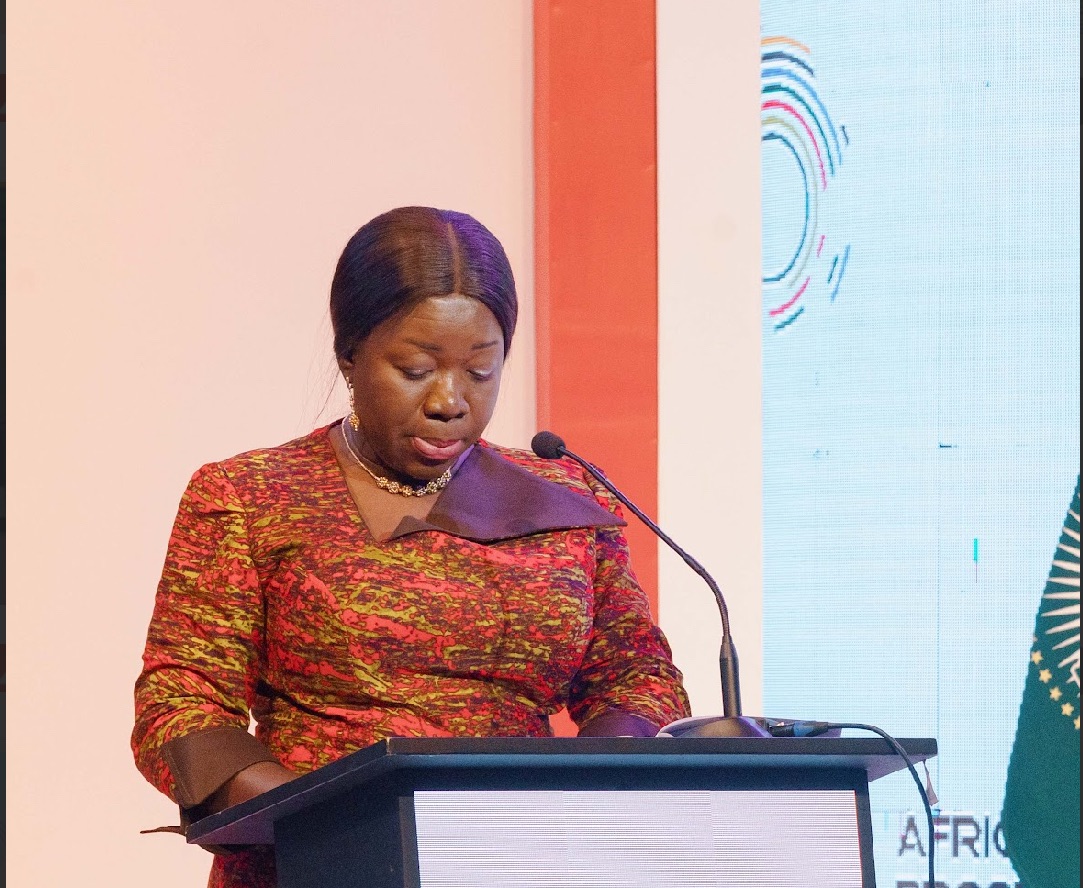

Minister for Trade, Agribusiness, and Industry, Hon. Elizabeth Ofosu-Adjare, has reiterated Ghana’s commitment to positioning women- and youth-led enterprises at the heart of the country’s trade and industrial transformation agenda under the African Continental Free Trade Area (AfCFTA).
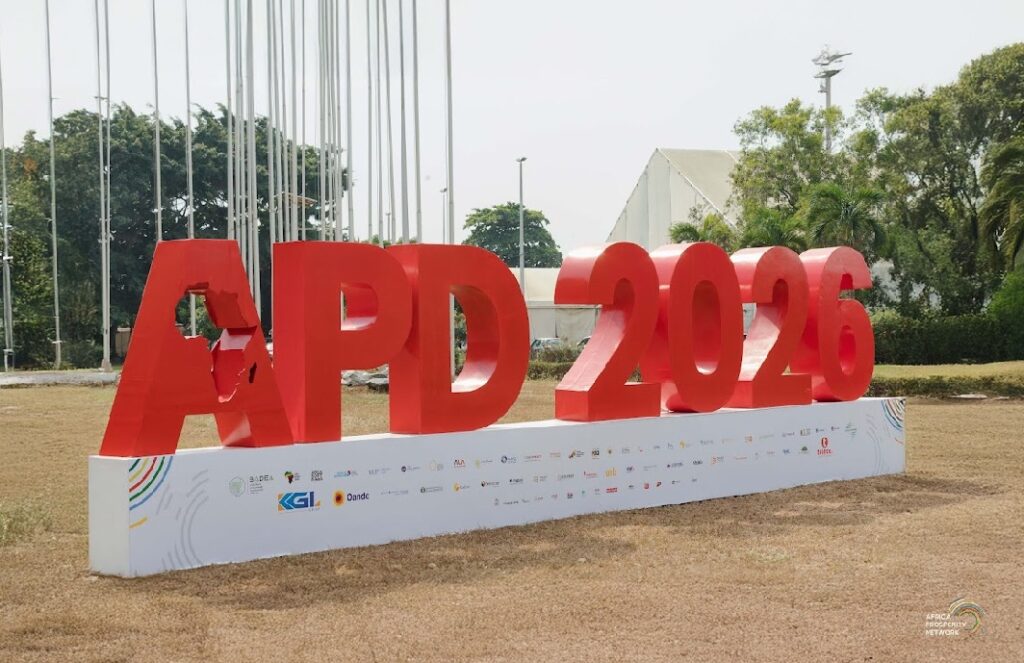
She made the pledge on Day Two of the 2026 Africa Prosperity Dialogues (APD) at the Accra International Conference Centre (AICC) on Thursday, February 5, commending the Africa Prosperity Network for convening the forum under the theme, “Empowering SMEs, Women and Youth in Africa’s Single Market: Innovate, Collaborate, Trade.”
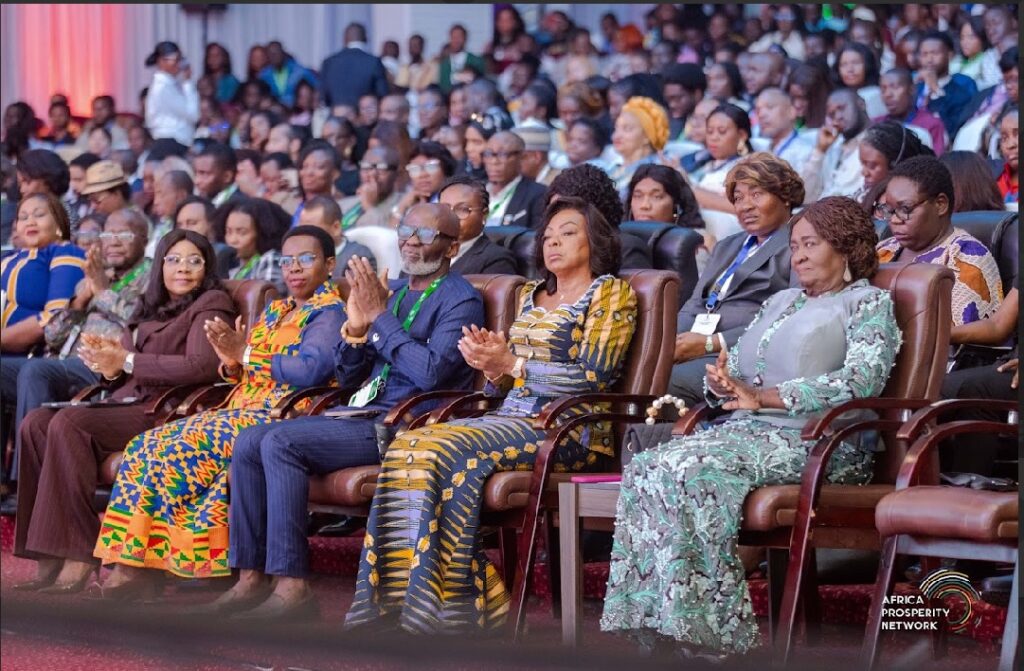
Hon. Ofosu-Adjare said the dialogue strongly aligns with Africa’s Agenda 2063 vision of inclusive, people-centered, and industrialized development, emphasizing that women and young people must be central to the continent’s economic transformation.
Since the commencement of AfCFTA trading in January 2021, she noted, Africa has achieved significant milestones, including close to 50 ratifications, the rollout of the Guided Trade Initiative, and the adoption of the Protocol on Women and Youth in Trade. She explained that the protocol represents a binding commitment by African countries to dismantle structural barriers and expand access to finance, skills development, digital trade opportunities, and participation in regional value chains for women and youth entrepreneurs.
At the national level, the Minister said Ghana—under the leadership of President John Dramani Mahama—is translating continental commitments into tangible results. She highlighted government efforts to drive value addition, industrial growth, and export expansion, with micro, small, and medium-sized enterprises (MSMEs) prioritized as key drivers of job creation and economic diversification.
“Women lead nearly half of MSMEs, and Africa’s youth represent an unmatched source of innovation and productivity. Empowering these groups is not optional—it is an economic imperative,” she stated.
Hon. Ofosu-Adjare stressed the urgency of moving beyond the export of raw commodities such as cocoa, shea nuts, cashew, and honey, and instead accelerating processing and value addition to maximize economic returns. She cited the Feed the Industry Programme as a flagship initiative designed to address raw material supply constraints, ensure consistent inputs for local industries, generate employment, and strengthen economic resilience.
She further underscored government’s commitment to inclusive growth, revealing that more than 155,000 entrepreneurs have been trained nationwide, over 6,000 women- and youth-led MSMEs have received start-up kits, and access to finance has been expanded. She also highlighted grants and financing facilities under the World Bank–supported Ghana Economic Transformation Project as critical instruments for boosting private sector investment and firm upgrading.
To unlock Africa’s full trade potential, the Minister outlined four key priorities: effective implementation of AfCFTA rules and the Guided Trade Initiative; sustained investment in digital and physical infrastructure; innovative financing solutions tailored to women and youth enterprises; and stronger public-private and cross-border partnerships to scale regional value chains.
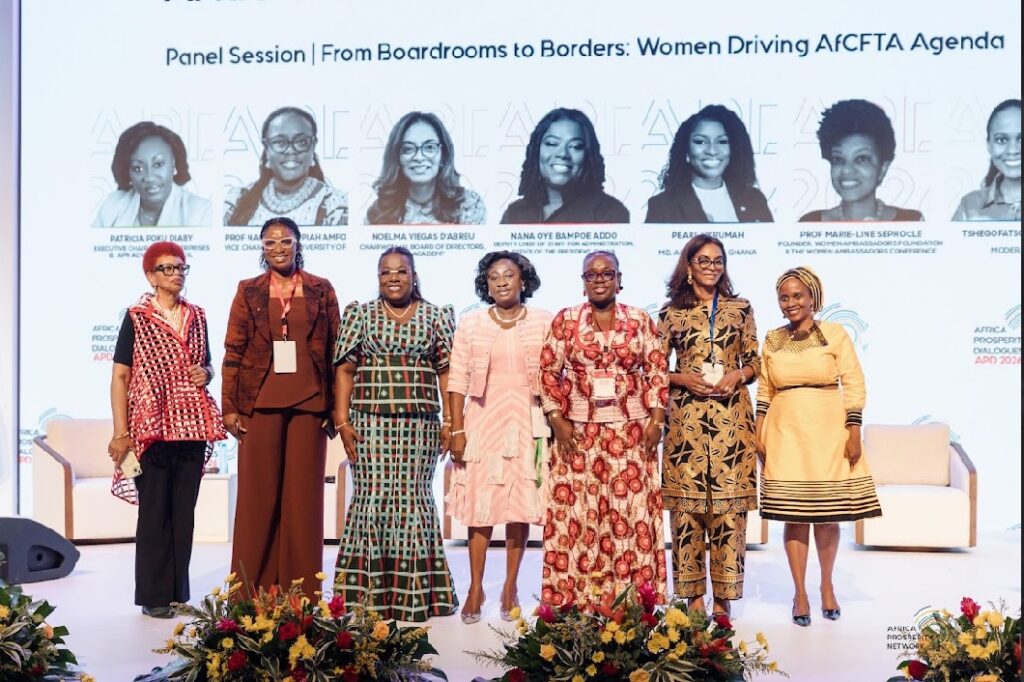
She concluded with a call for decisive action from all stakeholders, urging participants to move beyond dialogue to delivery.
“We must invest in women and youth-led SMEs, prioritize value addition in agribusiness and industry using AI and digital tools, remove remaining trade barriers, and collaborate across borders through AfCFTA and global platforms,” she said.
“Together, we can build a single African market where SMEs, women, and youth drive sustainable prosperity, job creation, and structural transformation.”
Story by: Ernest Frimpong (0247220948) | Follow our social media handles @uktvghana | DM us for Ads on our website or any of our socials