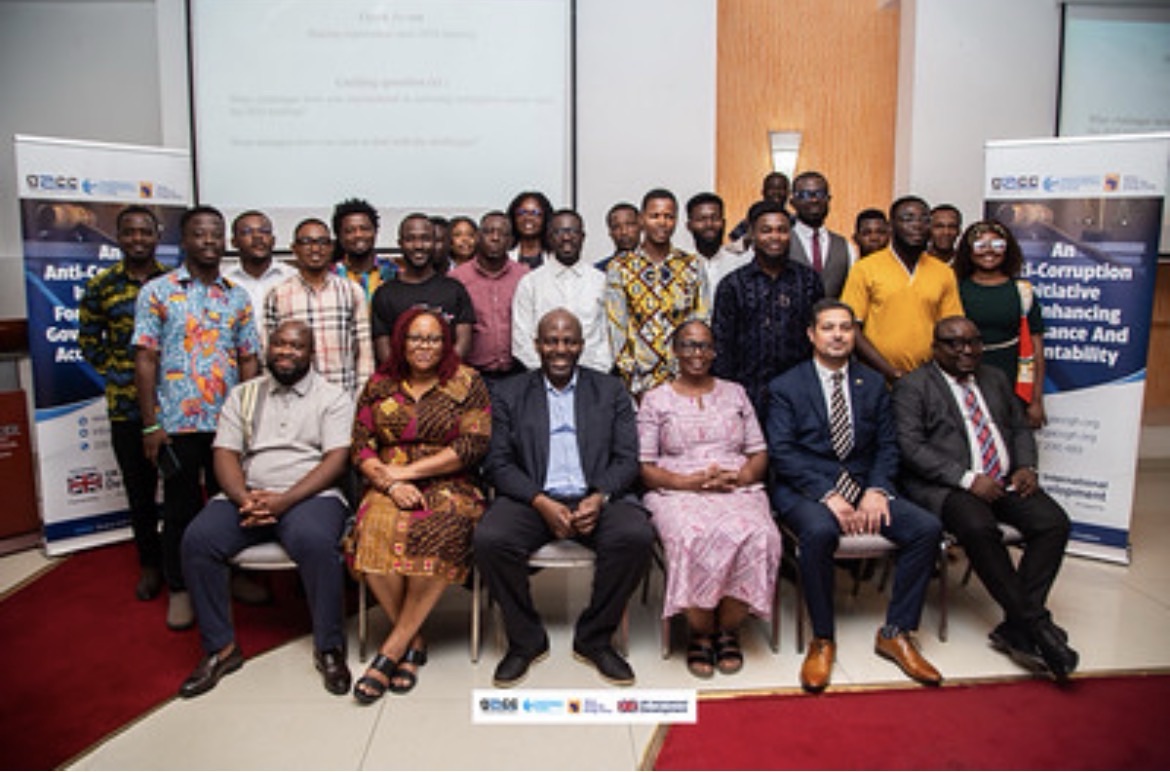

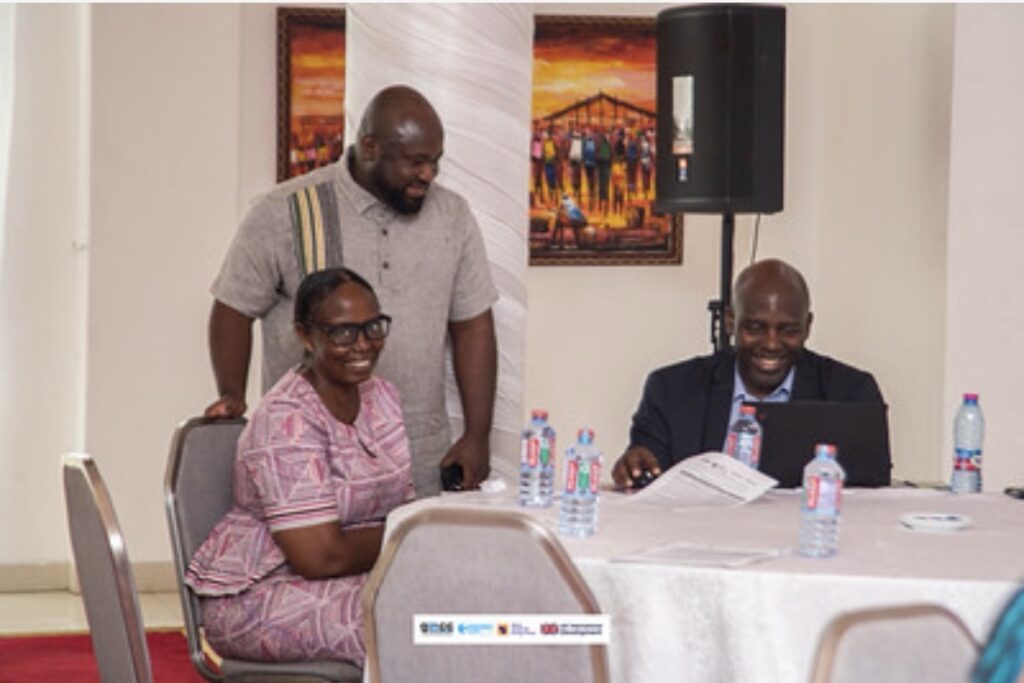
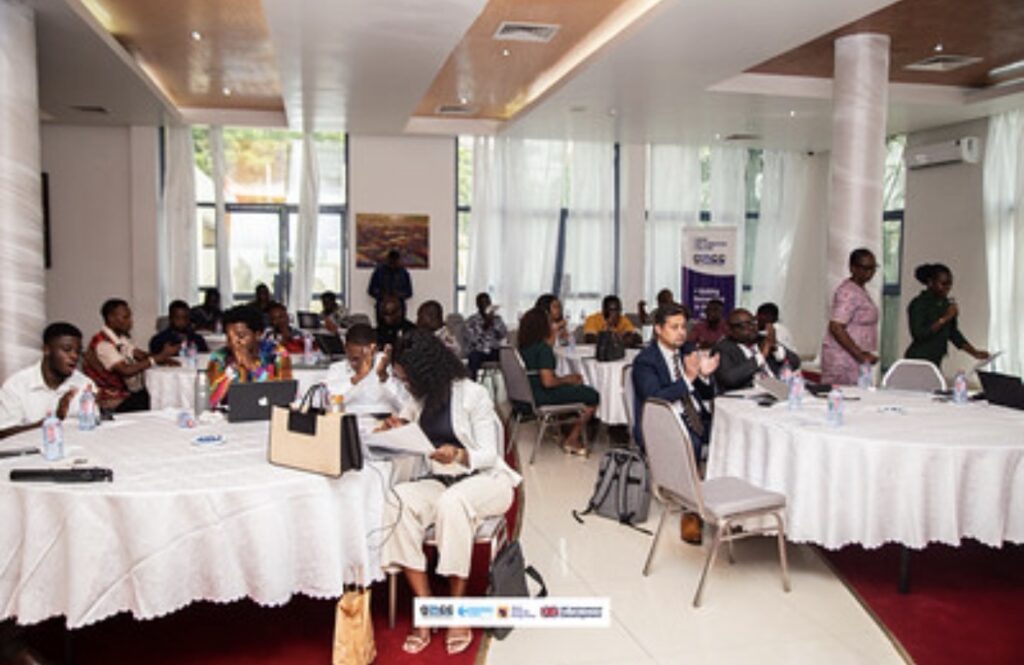
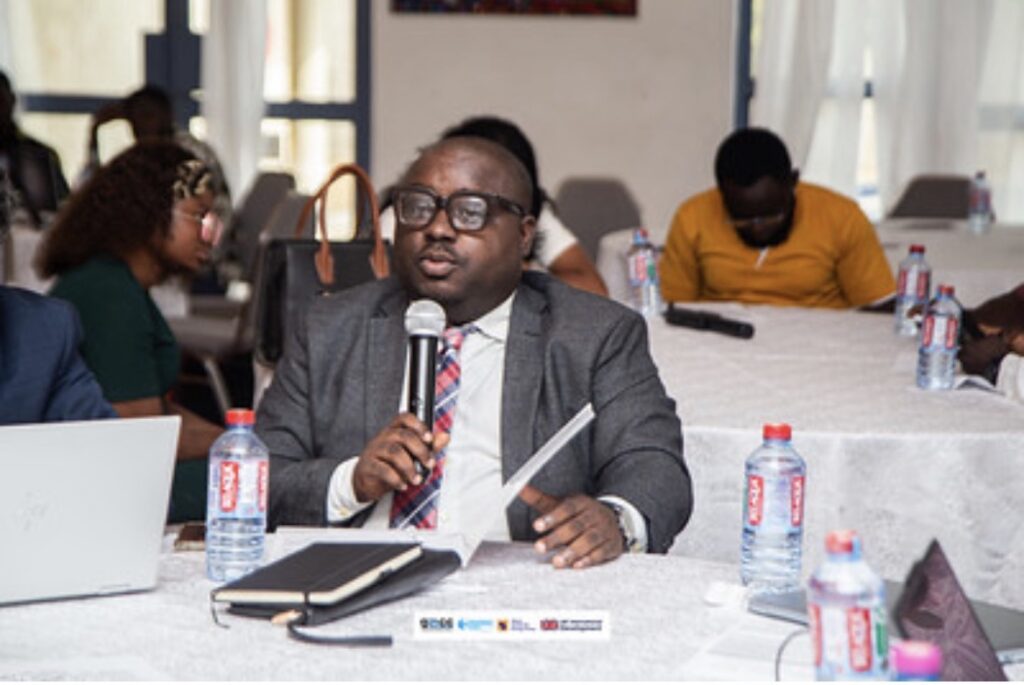
The Ghana Anti-Corruption Coalition (GACC) has organized a comprehensive capacity-building session aimed at strengthening the media’s critical role in promoting transparency and accountability across the country. The training program, which forms part of a broader anti-corruption initiative, is designed to equip journalists with deeper knowledge and practical skills in reporting on anti-corruption measures and governance reforms in Ghana.
The session, described by organizers as the second in an ongoing series, builds on the foundation laid during the first engagement held in 2024. According to the Coalition, the initiative reflects its sustained commitment to ensuring that various sectors of society fully understand the nature of corruption, its far-reaching consequences, and the responsibilities they bear in combating it. By targeting media practitioners, GACC seeks to reinforce the press as a powerful partner in the national fight against corruption.
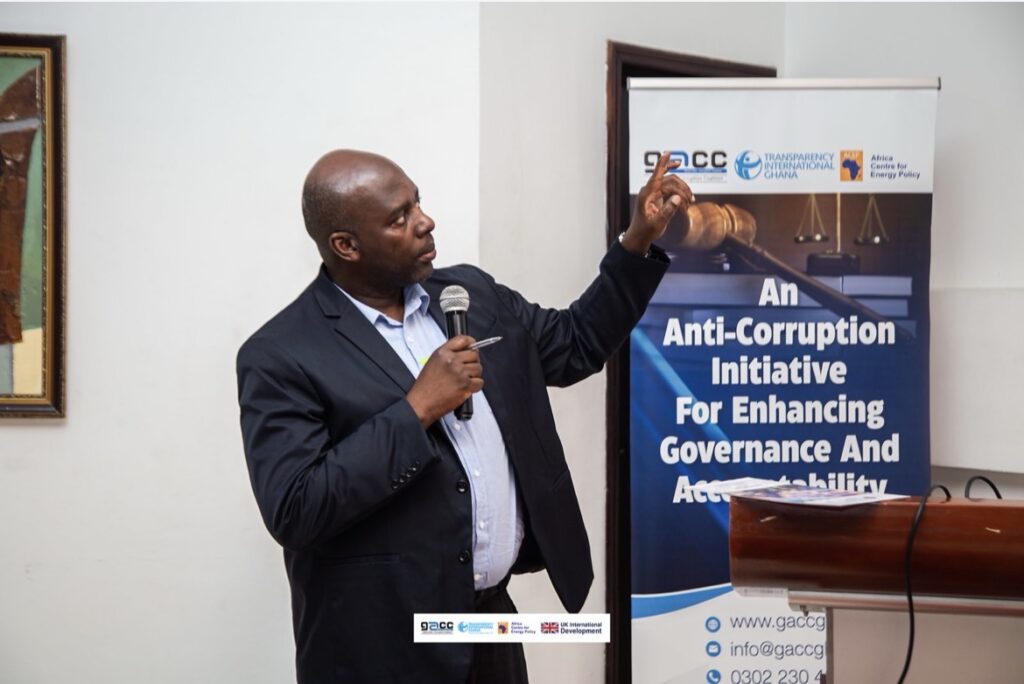
Facilitators at the workshop emphasized that the primary objective is to enhance journalists’ understanding of anti-corruption frameworks, public financial management systems, and governance policies. They noted that when reporters are equipped with in-depth knowledge of these issues, they are better positioned to produce analytical, evidence-based, and investigative stories capable of holding public officials and institutions accountable.
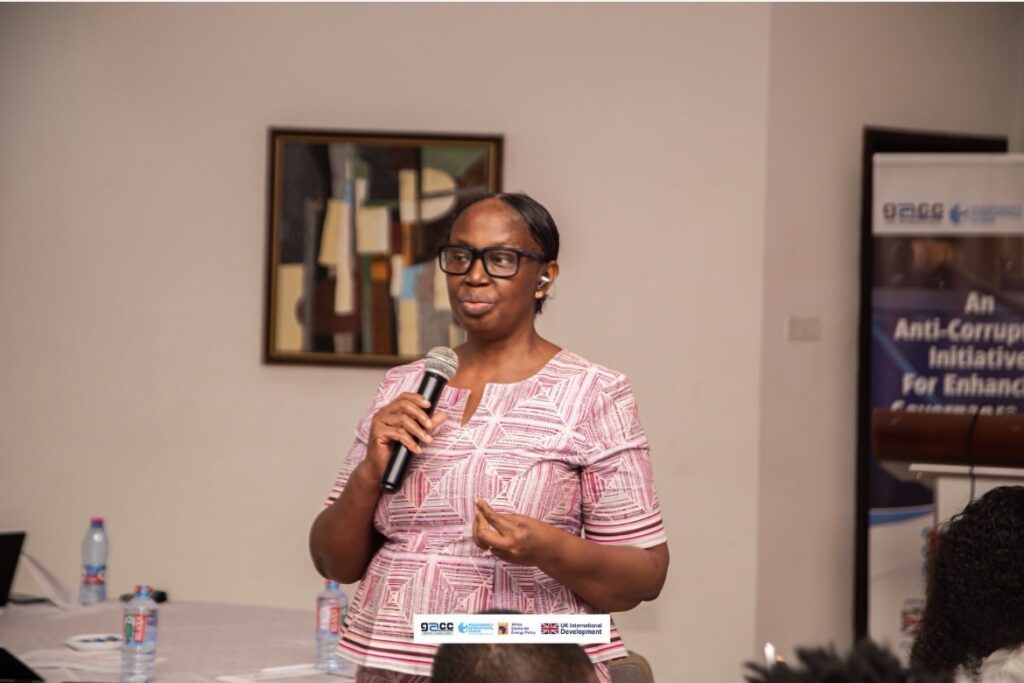
Participants were encouraged to move beyond routine or “street-level” reporting and instead pursue in-depth, data-driven journalism that interrogates public policies, scrutinizes budgetary allocations and expenditures, and exposes systemic weaknesses within governance structures. Organizers stressed that corruption often thrives in environments where public scrutiny is limited, making the media’s watchdog role indispensable to safeguarding the public interest.
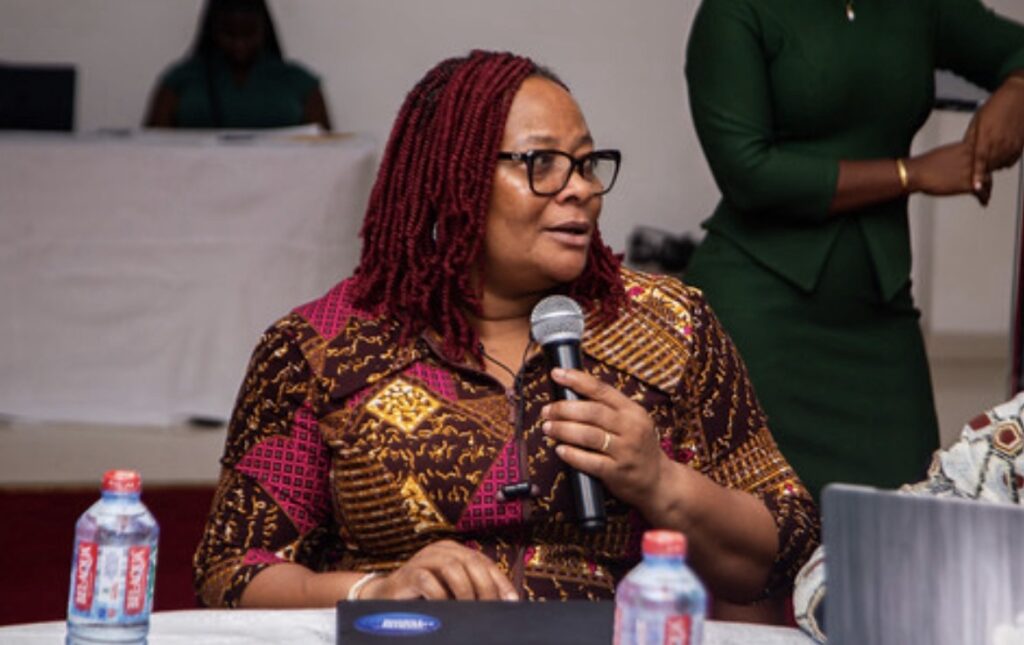
During the deliberations, speakers underscored that governance and accountability are non-negotiable pillars of national development. They warned that corruption erodes public trust, weakens democratic institutions, distorts development priorities, and ultimately hampers socio-economic progress. In this regard, strengthening the media’s investigative capacity was described as a strategic investment in Ghana’s democratic and development processes.
The Coalition reiterated that empowering journalists goes beyond technical training; it involves fostering ethical standards, encouraging collaboration among media houses, and promoting sustained public engagement on governance issues. Organizers expressed optimism that well-informed journalists would not only inform citizens accurately but also stimulate constructive public discourse and demand greater transparency from duty bearers.
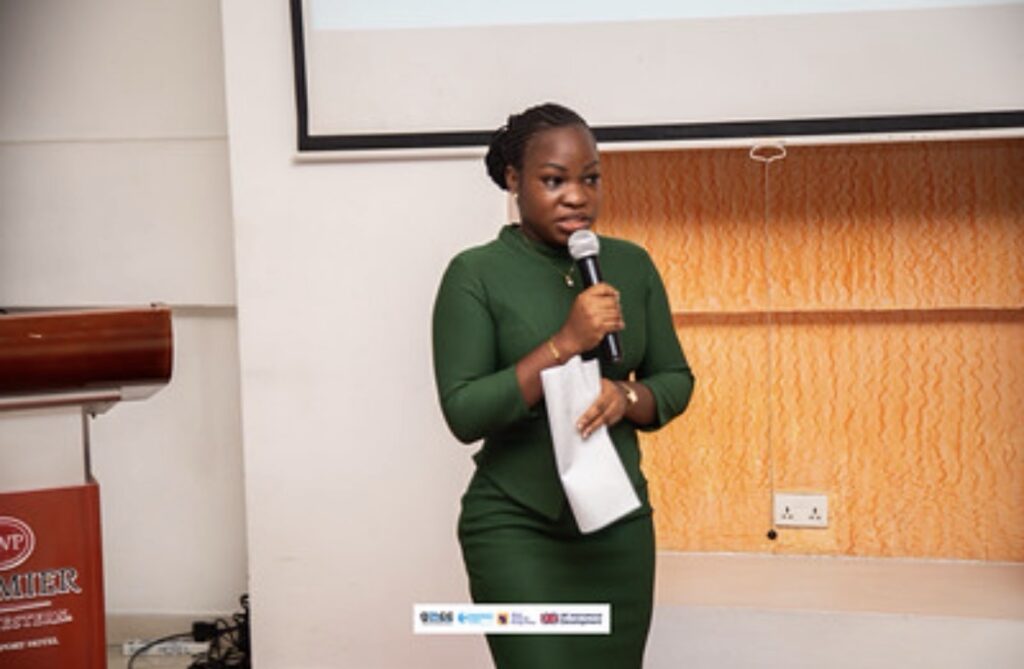
Ultimately, the initiative seeks to cultivate a society in which every sector—including the media, civil society organizations, and public institutions—actively contributes to the fight against corruption. GACC maintained that sustainable development in Ghana depends on a shared national commitment to transparency, integrity, and responsible leadership. By strengthening the capacity of the media, the Coalition believes it is reinforcing one of the most important pillars of accountability and helping to build a more open, responsive, and well-governed state.
Story by: Ernest Frimpong (0247220948) | Follow our social media handles @uktvghana | DM us for Ads on our website or any of our socials