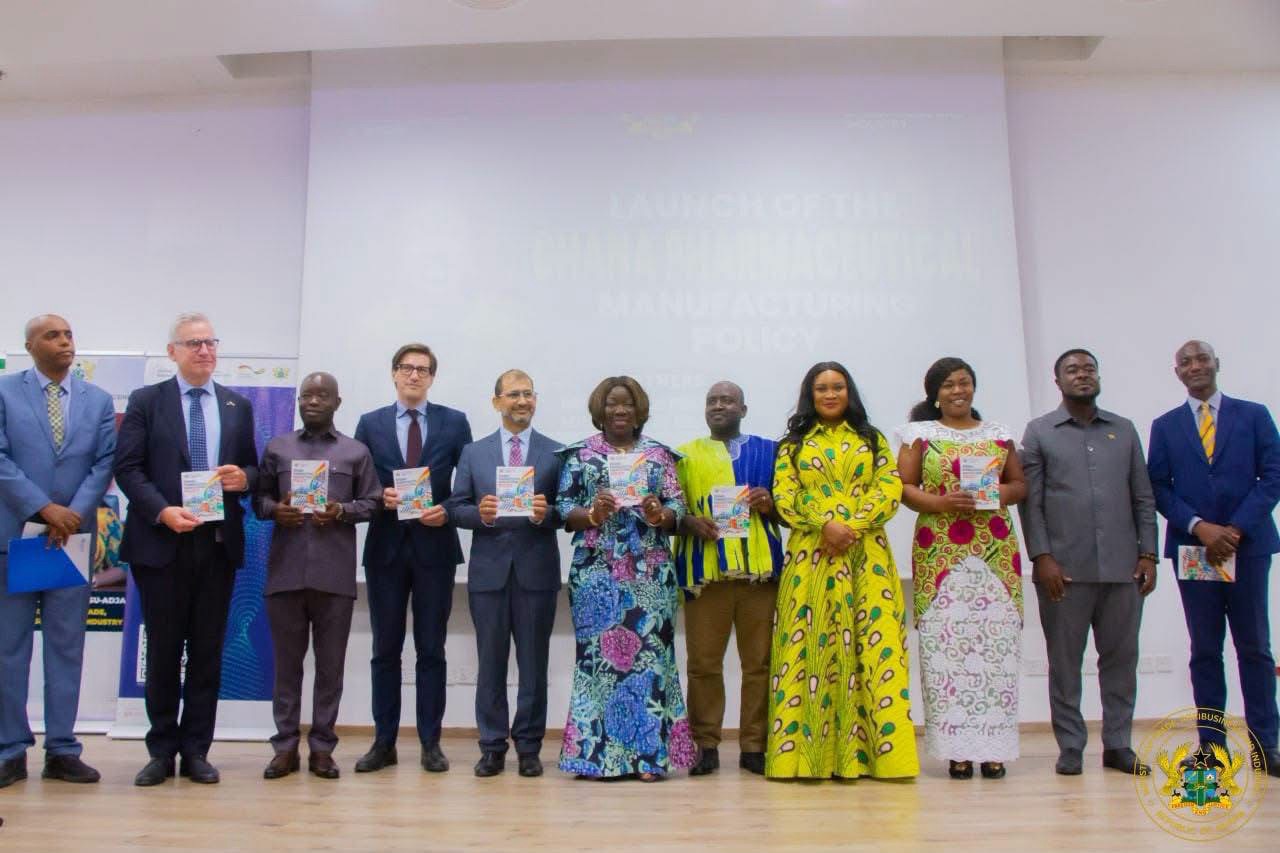

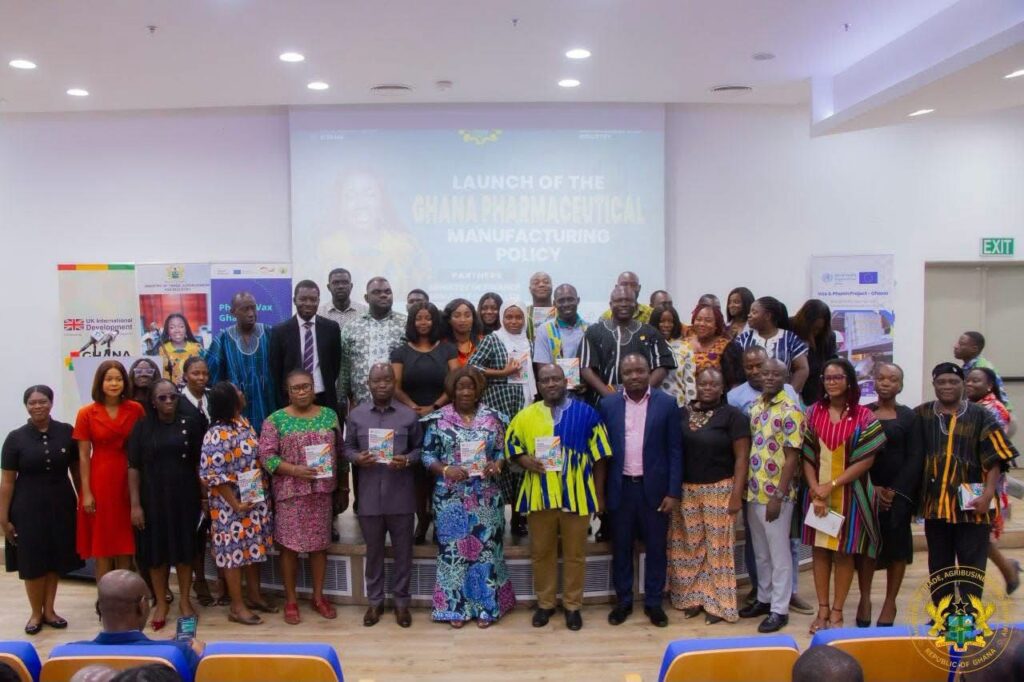
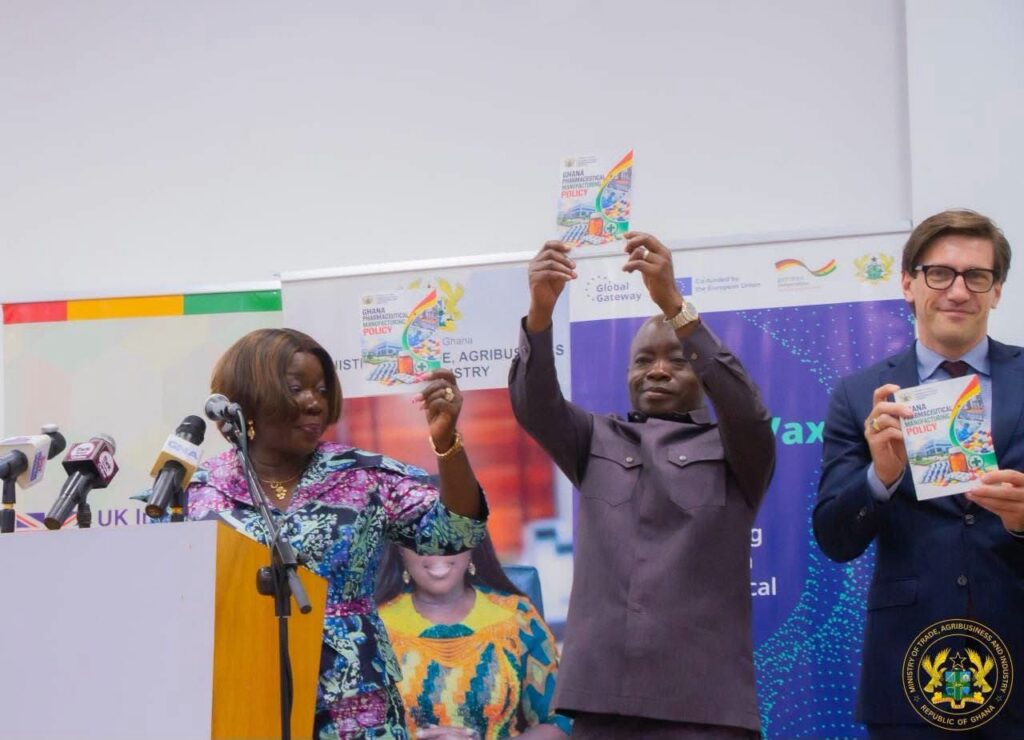
The Minister of Trade, Agribusiness and Industry, Hon. Elizabeth Ofosu-Adjare, has announced plans to increase Ghana’s locally manufactured medicines from 30 per cent to 60 per cent of national demand under the newly launched Ghana Pharmaceutical Manufacturing Policy.
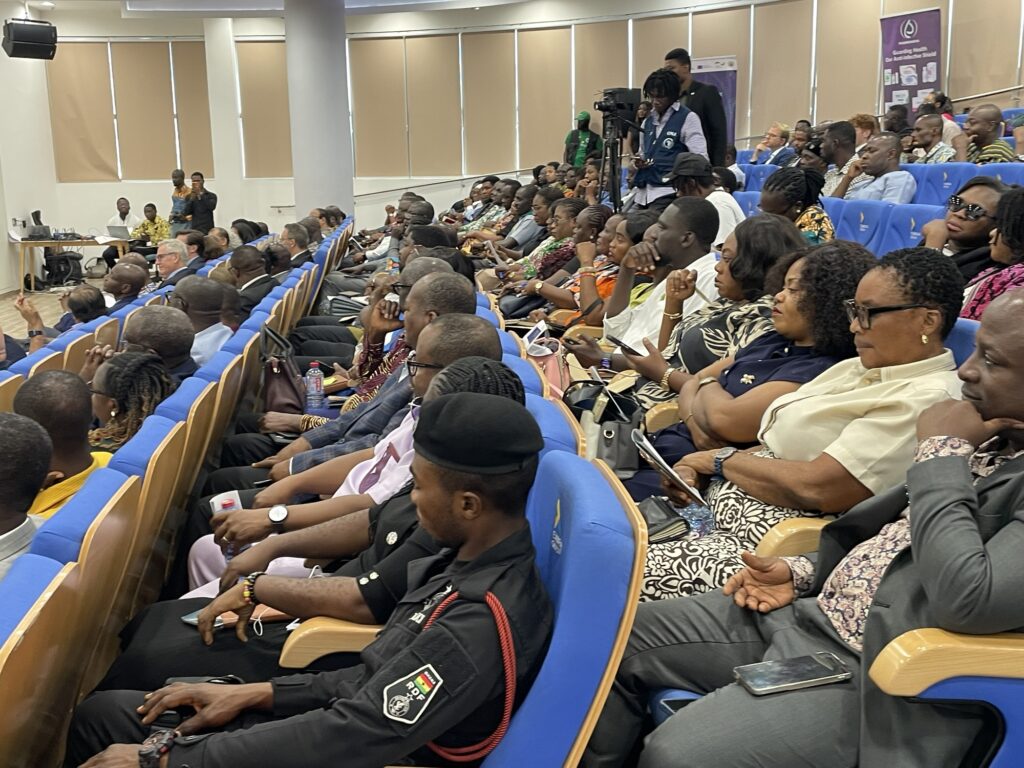
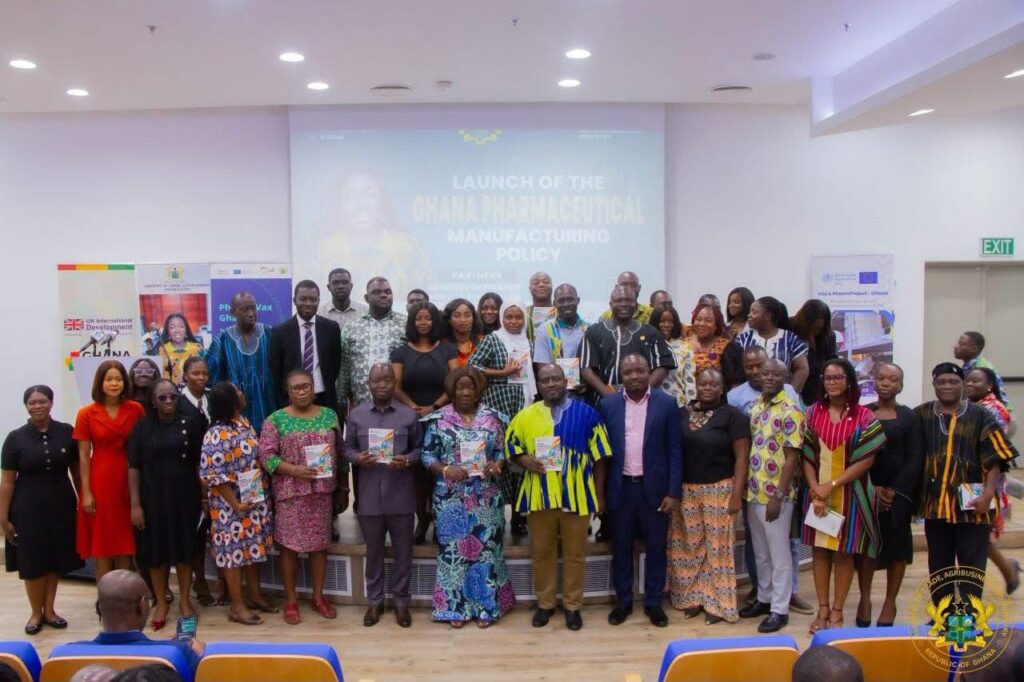
Speaking at the official launch of the policy, the minister said the initiative seeks to strengthen local pharmaceutical production, reduce dependence on imported medicines, create jobs and position Ghana as a leading pharmaceutical manufacturing hub in West Africa.
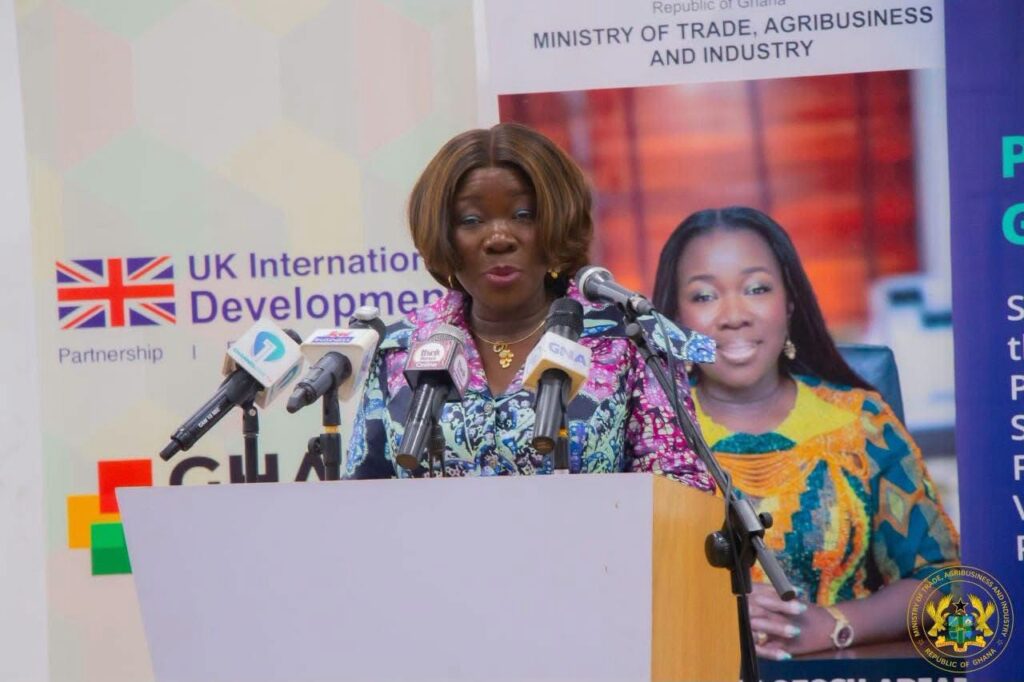
Hon. Ofosu-Adjare noted that Ghana currently meets approximately 30 per cent of its medicine needs through local production, while the remaining 70 per cent is imported. She also highlighted the country’s near-total dependence on imported vaccines, describing the situation as a challenge to national health security and economic sovereignty.
According to the minister, the COVID-19 pandemic and subsequent disruptions to global supply chains exposed the risks associated with relying heavily on foreign pharmaceutical products.
She explained that the new policy provides a coordinated framework to address major challenges facing local manufacturers, including the high cost of raw materials, expensive financing, limited product diversification, and gaps in technology and skilled personnel.
The minister further disclosed that the government aims to double the value of Ghana’s pharmaceutical exports to the ECOWAS market while working towards President John Dramani Mahama’s target of achieving at least 70 per cent local medicine production within five years.
To achieve these objectives, the policy will prioritise investment in pharmaceutical manufacturing, access to affordable financing, technology transfer, skills development and research. It will also encourage the production of active pharmaceutical ingredients, packaging materials and vaccines.
Hon. Ofosu-Adjare said the government would work with relevant institutions, including the Development Bank Ghana, Ghana EXIM Bank, the Food and Drugs Authority (FDA) and the National Health Insurance Authority, to support manufacturers and improve access to markets.
She added that government procurement systems and the National Health Insurance Scheme would be used to give fair preference to quality medicines produced locally, in line with applicable standards and procurement requirements.

The minister also announced the establishment of a dedicated Pharmaceutical Manufacturing Development Unit within her ministry to coordinate implementation, monitor progress and serve as a focal point for manufacturers and investors.
An interministerial implementation committee involving relevant ministries, regulatory bodies, financial institutions and industry representatives will also be established to oversee the policy’s execution and report on progress.
She emphasised that local manufacturers must invest in modern technology and meet international quality standards, while regulators must ensure that approval processes remain efficient, predictable and consistent with patient safety requirements.
The minister called on investors and international partners to explore opportunities in Ghana’s pharmaceutical sector through joint ventures, technology transfer and investments in manufacturing facilities.
She also urged Ghanaians to have confidence in quality medicines manufactured locally, stressing that supporting domestic pharmaceutical companies would protect jobs, strengthen the economy and improve access to essential medicines.
Hon. Ofosu-Adjare said the policy forms part of the government’s broader economic growth agenda, including the 24-hour economy and accelerated export development programme, with the potential to create employment opportunities, particularly for young people.
She concluded that successful implementation would help Ghana become more resilient to future global health emergencies while enabling the country to supply essential medicines to neighbouring countries across West Africa.
Story by: Ernest Frimpong (0247220948) | Follow our social media handles @uktvghana | DM us for Ads on our website or any of our socials