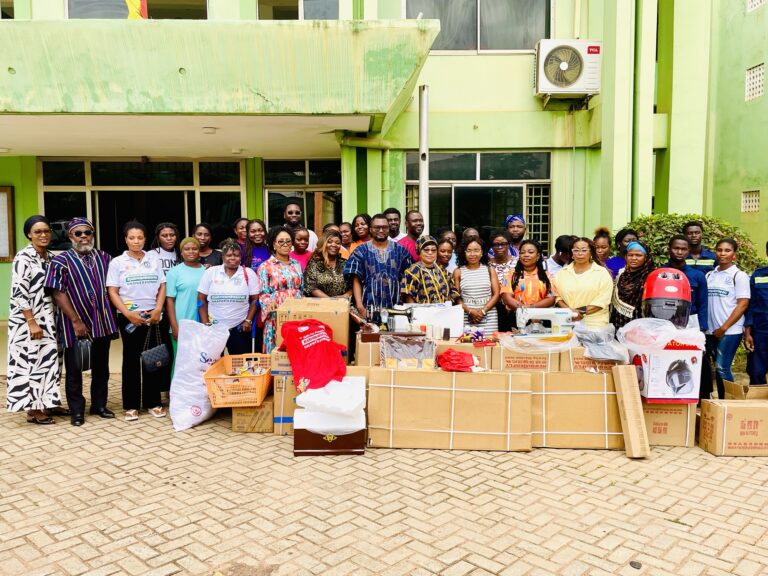

The Ministry of Gender, Children and Social Protection has hosted the maiden National Men’s Conference on Positive Masculinity, a landmark gathering aimed at redefining the role of men and boys in promoting gender equality, peace, and social justice in Ghana.
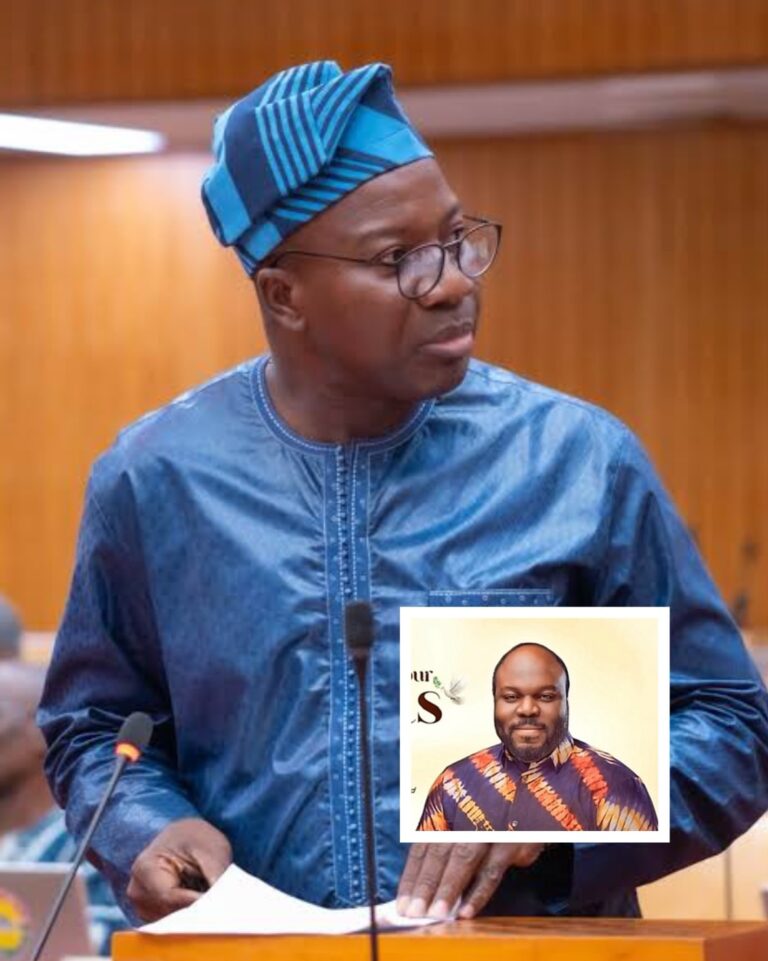
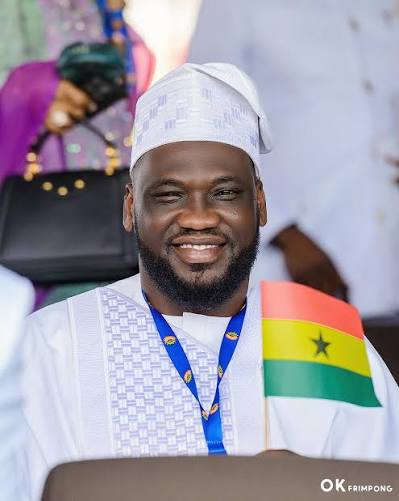
Delivering a keynote address, the Member of Parliament for Asante Akim North, Hon. Ohene Kwame Frimpong, emphasized that reshaping masculinity is a shared national responsibility. He called for an urgent re-examination of what it means to be a man in today’s society, noting that outdated expectations and harmful norms must give way to values that uplift both men and women.
A major focus of his message was the growing impact of toxic online influences on young men. Hon. Frimpong warned that Red Pill influencers and certain social media commentators promote a damaging version of masculinity—one that frames empathy as weakness and discourages emotional vulnerability. Such narratives, he said, fuel benevolent sexism, limit women’s opportunities, and undermine the emotional well-being of boys and young men.
In contrast, he described positive masculinity as grounded in integrity, courage, empathy, and the ability to unlearn harmful beliefs. Drawing from personal experiences, Hon. Frimpong spoke of being raised with tenderness, discipline, and responsibility—principles that shaped his understanding of manhood. He emphasized that men become stronger, not weaker, when they engage in caregiving, nurture others, and express their emotions truthfully.
He affirmed that masculinity is fundamentally a human rights issue, insisting that Ghana must raise boys to value dignity, equality, and compassion. These values, he said, are essential for building responsible men who contribute meaningfully to national development.
The vision for positive masculinity shared at the conference is one of transformation—cultivating men with emotional resilience, mental discipline, and the commitment to serve others. Masculinity becomes a national asset when used to uplift, but a national loss when used to dominate or harm.
In closing, Hon. Frimpong urged participants to help shape a new and healthier narrative for masculinity in Ghana—one defined by empathy, responsibility, and mutual respect.
Story by: Ernest Frimpong (+233247220948)