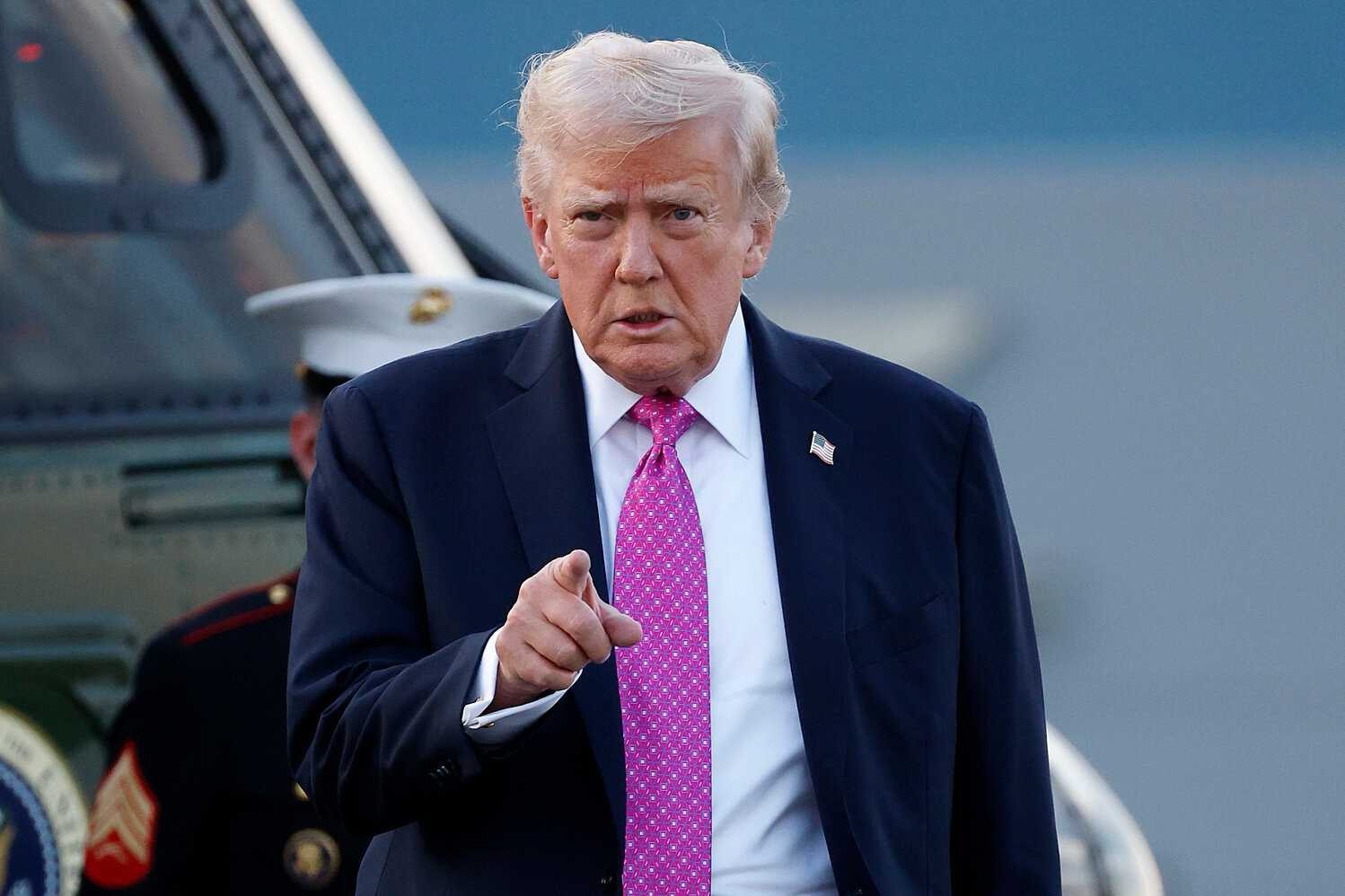

US President Donald Trump has demanded Iran’s “unconditional surrender” as American and Israeli forces continue air and missile strikes across the region. Trump emphasized that the US and its allies would work to make Iran “economically bigger, better, and stronger than ever before” once new leadership deemed “acceptable” takes office.
The conflict, which began following the killing of Iran’s Supreme Leader Ali Khamenei last week, shows no signs of abating as retaliatory strikes have spread across the Middle East. The question of who will succeed Khamenei remains unresolved, as does the timeline for ending the US offensive.
Speaking on Friday, White House spokeswoman Karoline Leavitt said military operations are expected to last four to six weeks. Meanwhile, Trump used his Truth Social platform to assert:
“There will be no deal with Iran except UNCONDITIONAL SURRENDER! After that, and the selection of a GREAT & ACCEPTABLE Leader(s), we… will work tirelessly to bring Iran back from the brink of destruction… IRAN WILL HAVE A GREAT FUTURE. MAKE IRAN GREAT AGAIN (MIGA!).”
Trump’s statements indicate a reluctance to negotiate and a hands-on interest in Iran’s future leadership. Though he has avoided explicitly calling for regime change, senior administration officials argue the US will not become embroiled in a prolonged, open-ended war akin to Iraq or Afghanistan.
Leavitt further said that Trump does not want Iran led by “a radical terrorist or a regime that chants death to America” and suggested the president may play a role in selecting the country’s next leader. Reports that Khamenei’s son, Mojtaba Khamenei, might succeed him were called “unacceptable” by Trump.
The situation has drawn comparisons to US operations in Venezuela earlier this year, when Trump supported the removal of Nicolás Maduro and endorsed his deputy, Delcy Rodríguez, as a successor.
Amid the ongoing hostilities, US officials have claimed that Russia has provided Iran with intelligence on American positions, including locations of warships and aircraft in the Middle East. Kremlin spokesman Dmitry Peskov confirmed that Russia remains in dialogue with Tehran but declined to confirm ongoing military cooperation. Russian President Vladimir Putin reportedly spoke with Iranian President Masoud Pezeshkian, offering condolences for casualties and stressing the need for an immediate diplomatic resolution.
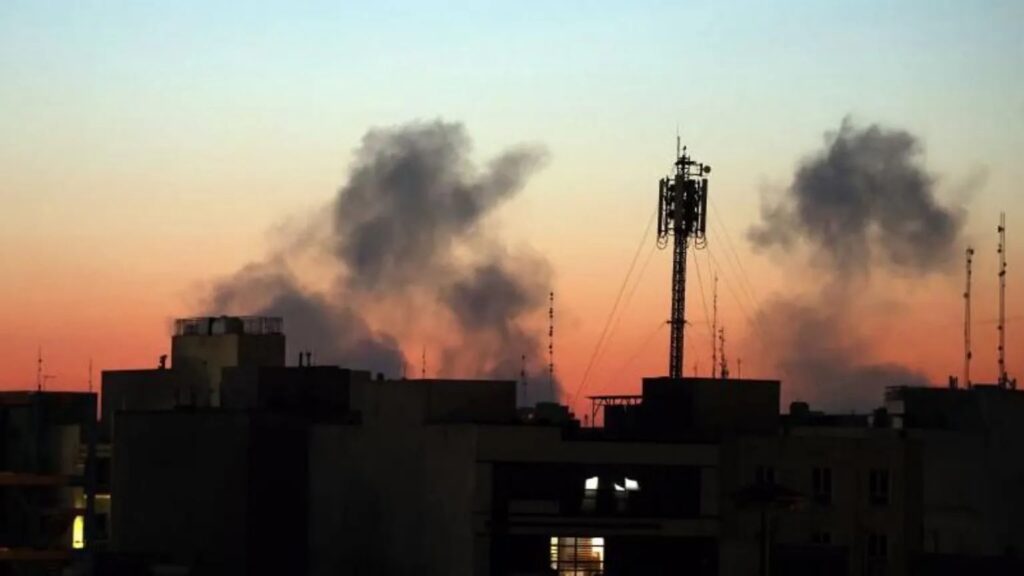
The war has intensified across the region. Iran-backed Hezbollah launched attacks against Israel, prompting Israeli strikes in Lebanon, including on southern Beirut. Israel has evacuated hundreds of thousands of residents near the border, while Hezbollah has warned Israelis within a 5km radius to leave their homes. Drone and missile attacks linked to Iran have also targeted countries hosting US bases, including Qatar, Bahrain, Jordan, the UAE, Kuwait, Oman, and Saudi Arabia. A British military base in Cyprus was reportedly hit by a drone strike on Sunday.
As the conflict enters its second week, international concern is mounting over further escalation and the potential for wider regional instability.