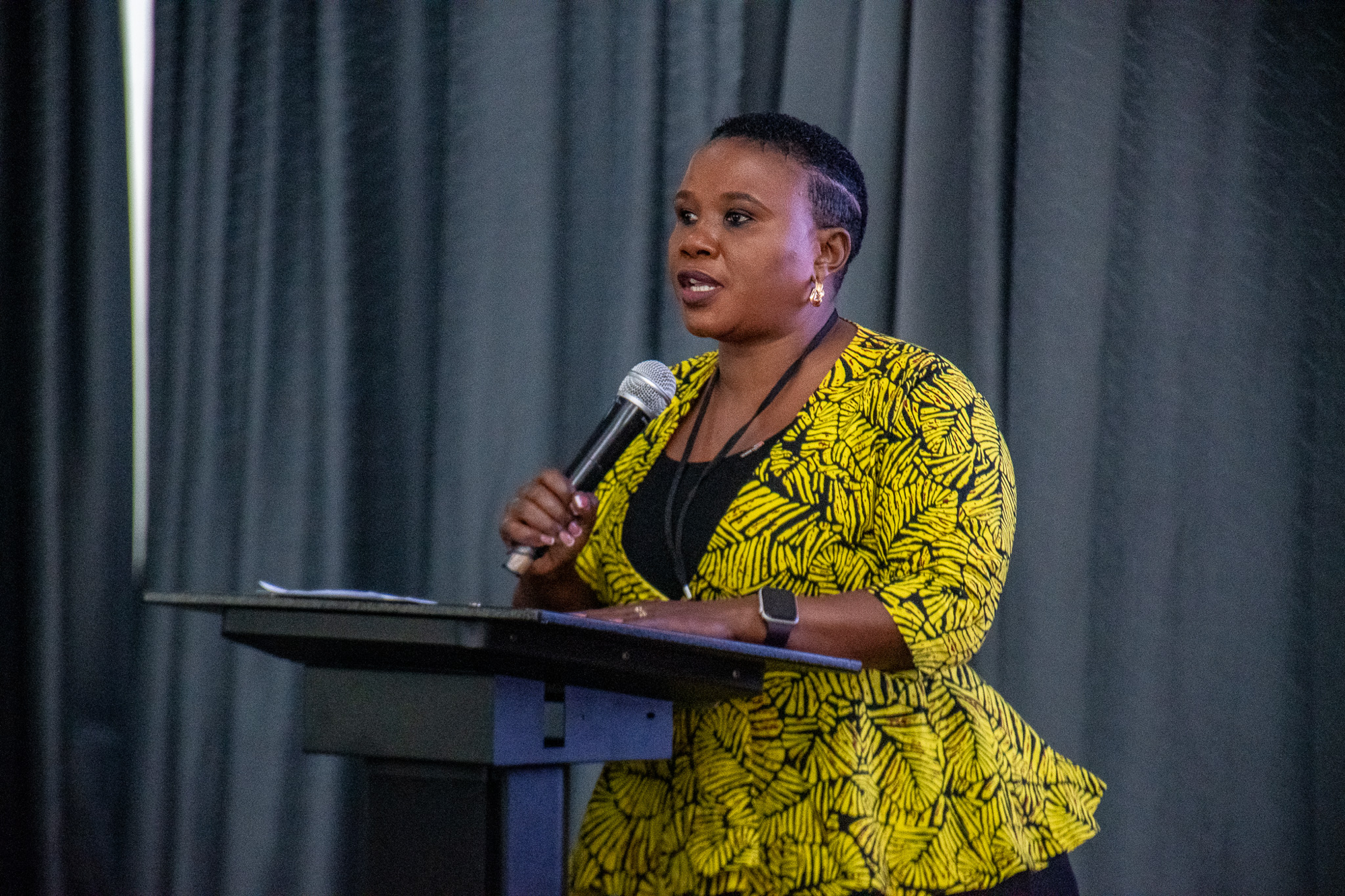

The National Director of World Vision Ghana, Dr. Tinah Tusiime Mukunda, has unveiled a comprehensive national strategy aimed at improving access to clean water, sanitation, and hygiene across Ghana by 2030.
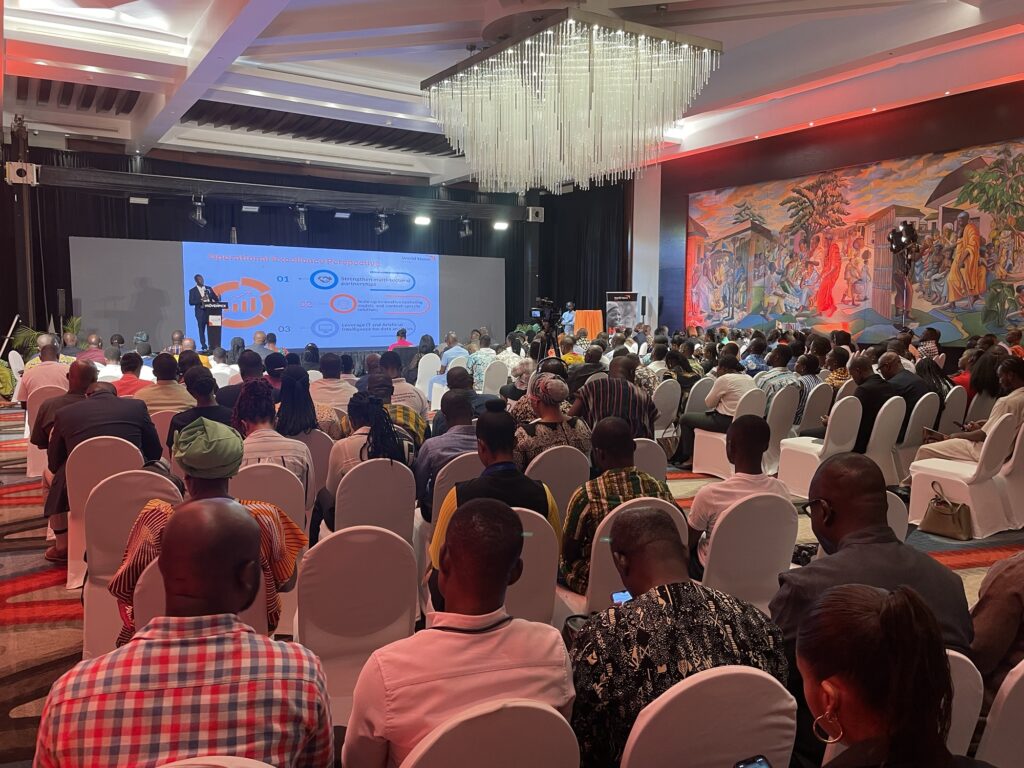
Speaking at the launch of World Vision Ghana’s Country Strategy 2026-2030, Dr. Mukunda outlined a bold vision to ensure that 2.8 million children grow up healthy, educated, and empowered, stressing that access to safe water remains a critical challenge, with only 44% of the population currently covered.
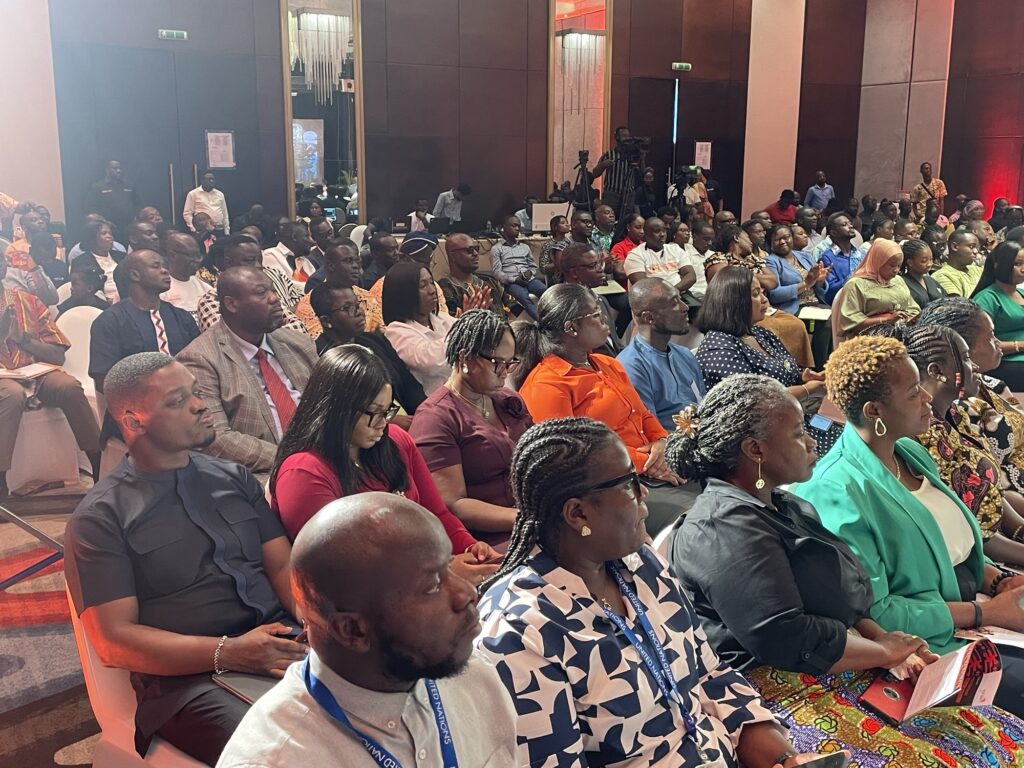
The strategy is anchored on four key pillars—impact, funding, operations, and people—and seeks to deliver transformative, locally driven solutions. According to her, the initiative will prioritize climate-smart approaches, digital innovation, and strong alignment with Ghana’s national development agenda and global Sustainable Development Goals.
A key component of the plan is a blended financing model designed to mobilize resources from multiple streams, including grants, social impact bonds, private sector co-investment, corporate social responsibility frameworks, and diaspora contributions. World Vision Ghana aims to invest $120 million over the next five years, with a strong push to raise $48 million locally—encouraging Ghanaians to take ownership of the country’s development.
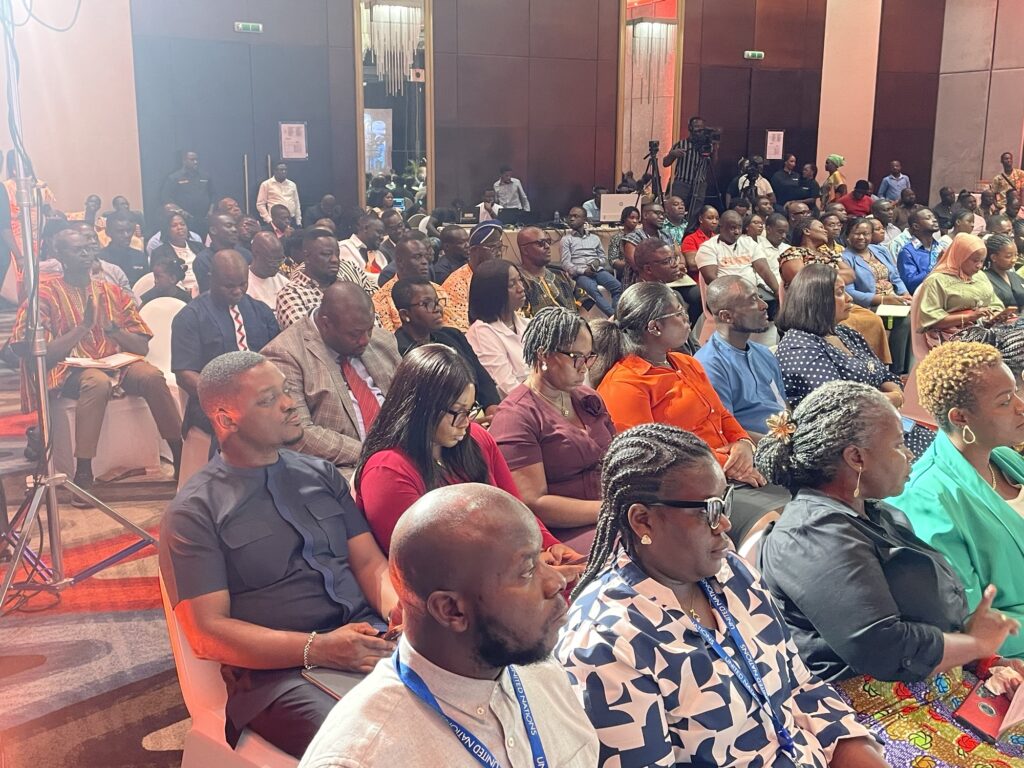
Dr. Mukunda emphasized that sustainable progress will depend on Ghanaians investing in their own communities, describing the initiative as a call to national responsibility and long-term impact.
As part of the strategy, she introduced the “Universal Services for Water” programme, which will ensure access to safe water at the household, community, and institutional levels.
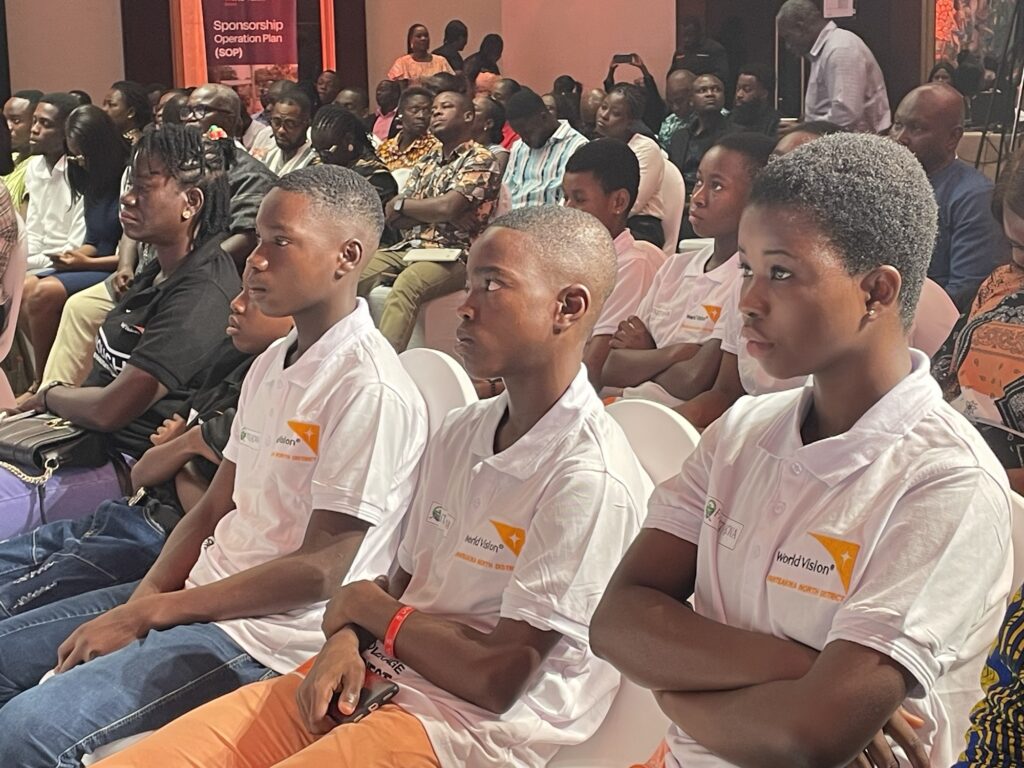
She also appealed to individuals and organizations to support the initiative through child sponsorship, with contributions of $150 per month aimed at improving access to education, healthcare, and clean drinking water for vulnerable children.
Highlighting over four decades of partnership and community engagement, Dr. Mukunda expressed confidence in the feasibility of the plan, urging stakeholders to act with urgency and purpose.
She concluded with a strong call for collective action, noting that investing in children is not charity but a strategic investment in Ghana’s future, as they remain the nation’s most valuable asset.
Story by: Ernest Frimpong (0247220948) | Follow our social media handles @uktvghana | DM us for Ads on our website or any of our socials