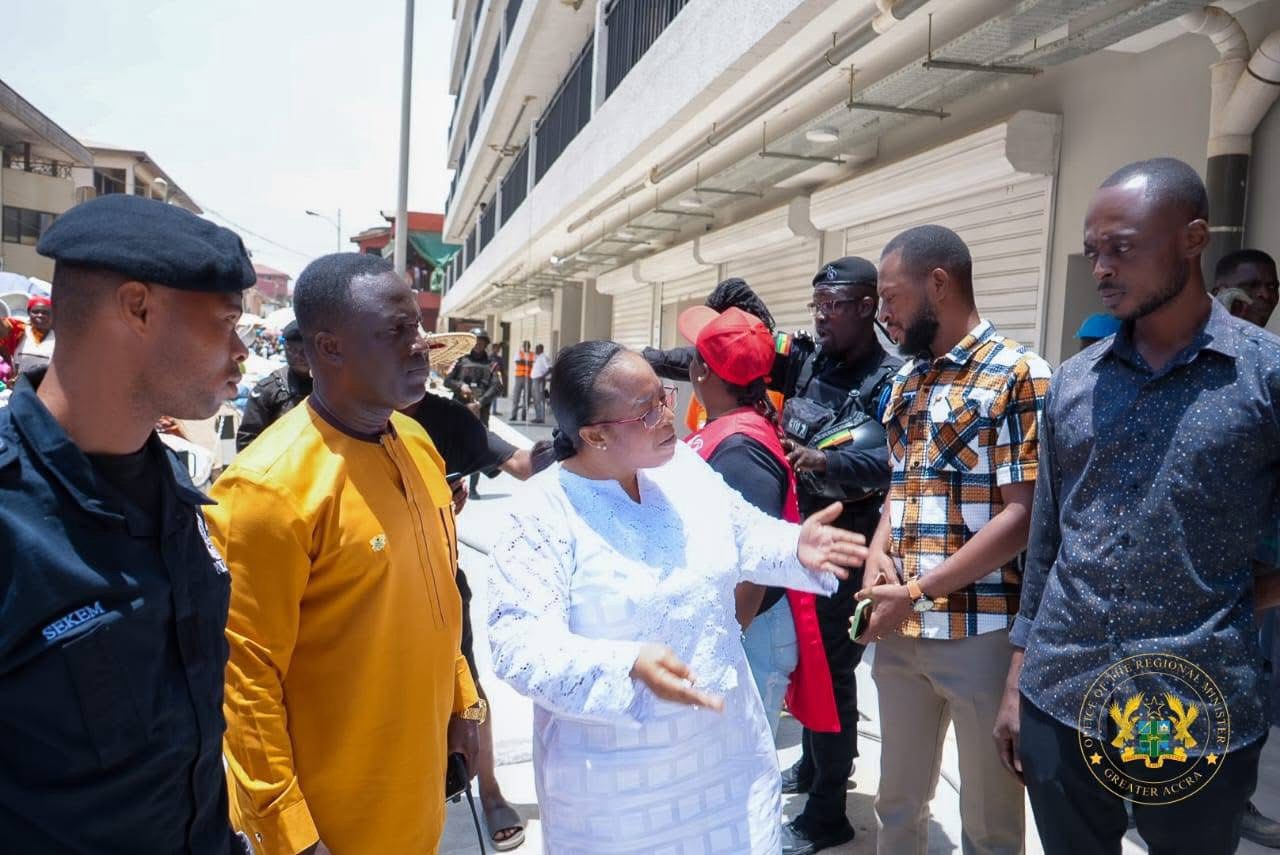

The Greater Accra Regional Coordinating Council (GARCC) has taken decisive steps to address escalating tensions between private property owners and market women, following a series of reported forceful evictions that have triggered widespread concern across the capital.
According to the Regional Minister, Hon. Linda Obenewaa Akweley Ocloo, her office received formal complaints detailing a troubling incident in which traders were abruptly removed from a trading space without prior notice, meaningful consultation, or adherence to established legal procedures. The situation, she noted, has not only disrupted the livelihoods of those directly affected but has also heightened uncertainty among traders operating within the informal sector across the region.
Describing the incident as deeply distressing, the Minister emphasized that such actions risk undermining confidence in the systems meant to protect vulnerable economic actors. She pointed out that the informal trading sector remains a critical pillar of the regional economy, employing thousands and supporting families whose survival depends on daily sales and consistent access to trading spaces.
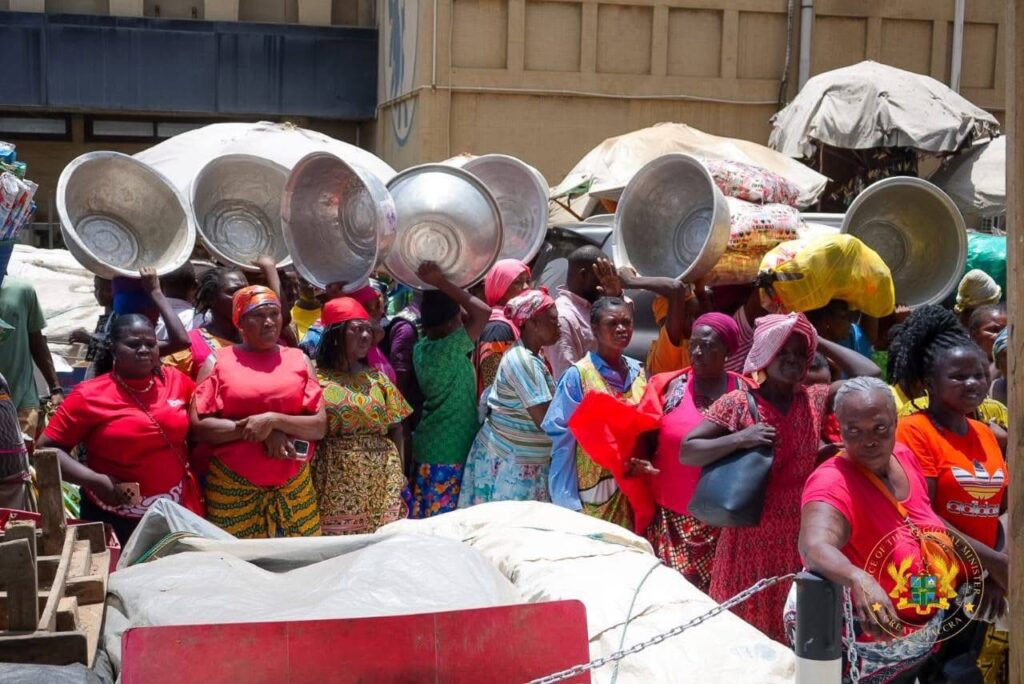
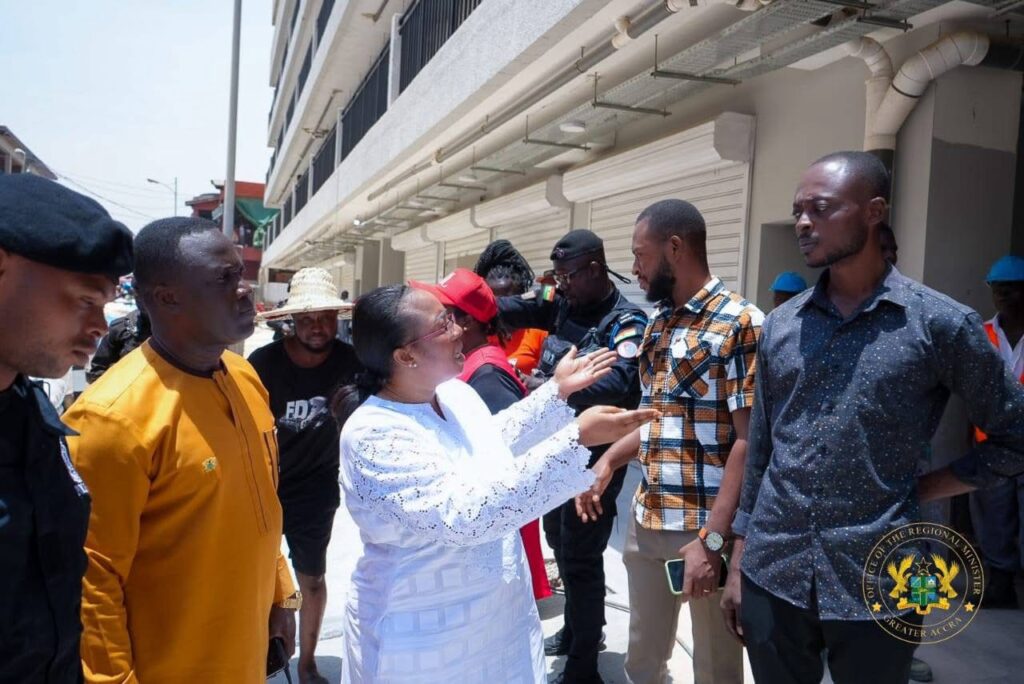
In a proactive response, the Minister undertook an on-site inspection earlier in the day to gain a clearer understanding of the situation. During the visit, she engaged directly with affected traders, listened to their grievances, and assessed the conditions surrounding the eviction. She also interacted with local authorities and other stakeholders to gather a comprehensive view of the circumstances that led to the impasse.
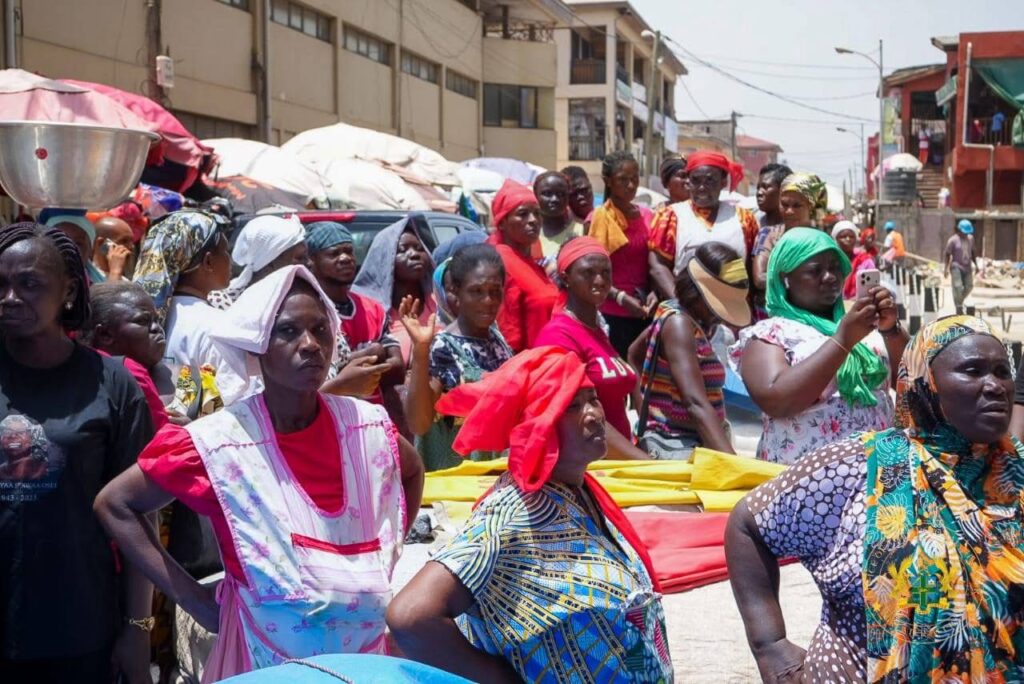
She reiterated that market women are indispensable to the socio-economic framework of Greater Accra Region, stressing that their contributions extend far beyond commerce. According to her, they play a vital role in sustaining households, financing education, and driving grassroots economic activity. “Our market women are not merely participants in trade; they are the backbone of our communities and a driving force behind economic resilience. When their work is disrupted, the ripple effects are felt across entire families and communities,” she stated.
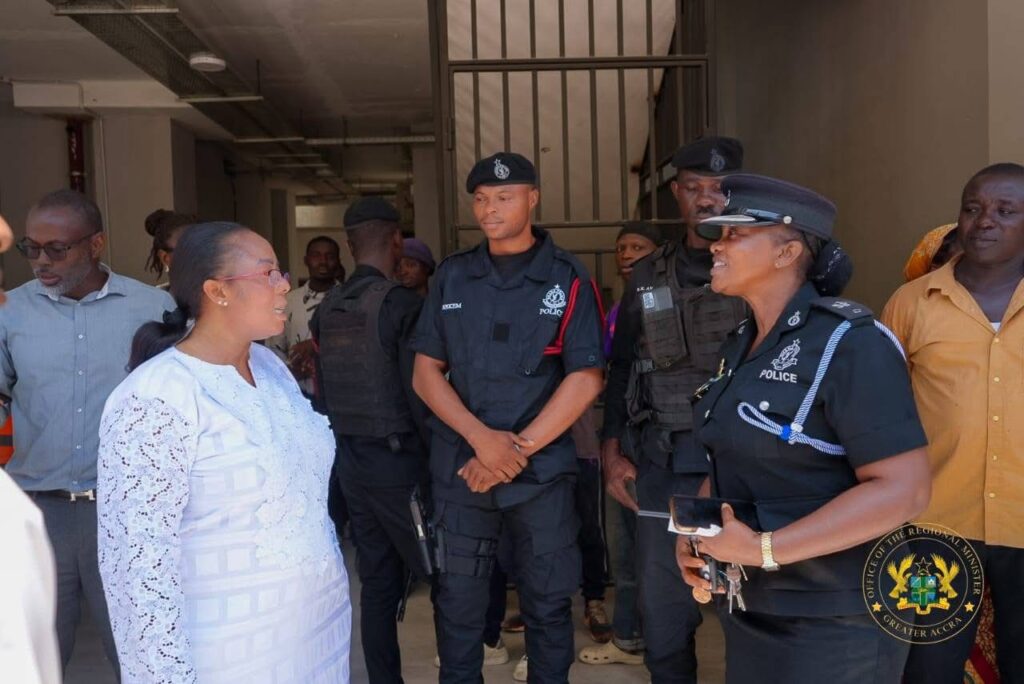
To de-escalate the situation and pave the way for a sustainable resolution, the Regional Minister has initiated a series of targeted interventions. Central to these efforts is the convening of a high-level stakeholder meeting, which will bring together affected traders, property owners, municipal authorities, and other relevant actors. The purpose of this engagement is to create a structured platform for open dialogue, allowing all parties to present their concerns, clarify misunderstandings, and collaboratively develop practical, fair, and lasting solutions.
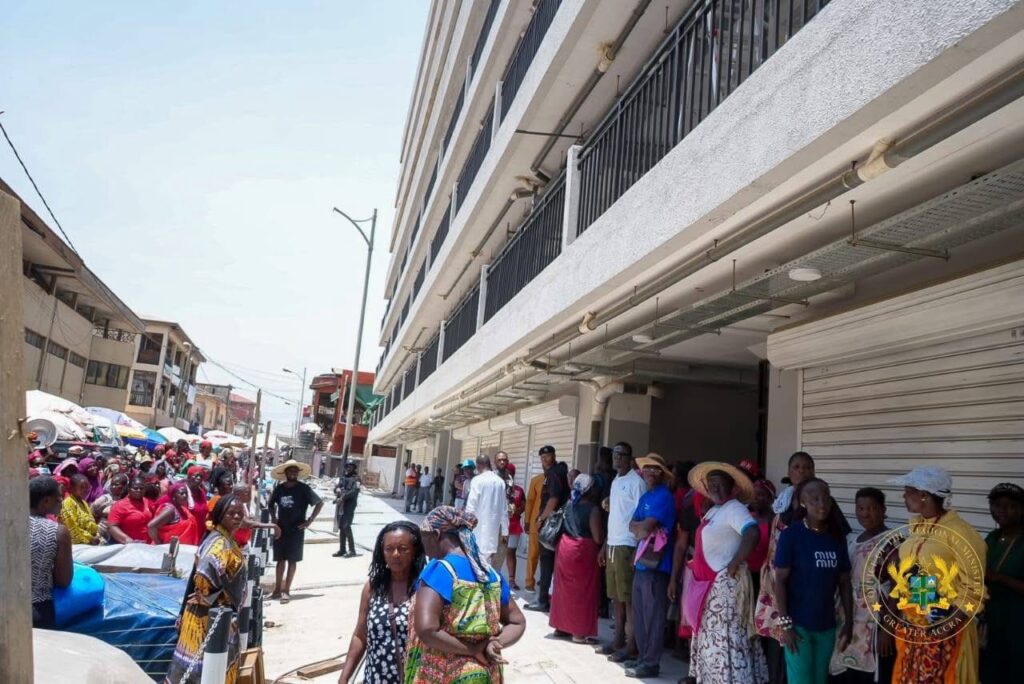
Beyond facilitating dialogue, the Minister underscored the importance of strict adherence to procedural fairness in matters involving property rights and occupancy. While acknowledging the legitimacy of private property ownership, she stressed that such rights must be exercised responsibly and within the confines of the law. She warned against arbitrary evictions carried out without due process, emphasizing that any enforcement action must include adequate notice, prior engagement, and lawful authorization.
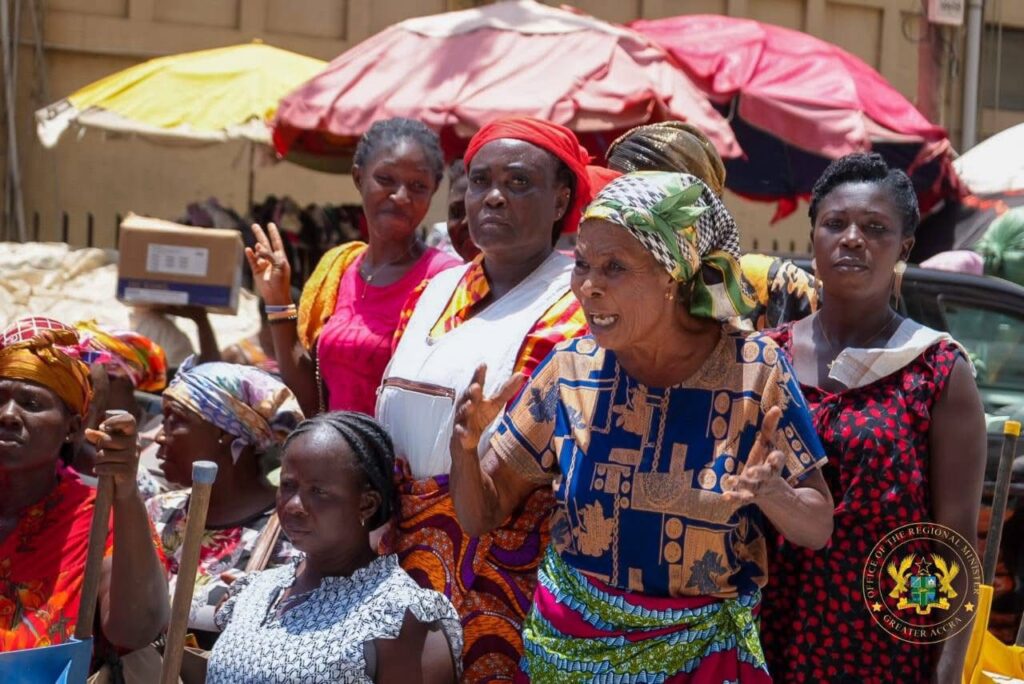
The Minister further noted that the incident highlights a broader, systemic challenge facing urban centers—namely, the persistent issue of space constraints and tenure insecurity for traders. As cities continue to expand, the pressure on available trading spaces has intensified, often leading to conflicts between landowners and informal sector operators.
In addressing this challenge, she pointed to the government’s ongoing 24-hour Market Construction Initiative as a critical long-term solution. The initiative aims to develop modern, well-organized, and secure market facilities that can accommodate traders in a structured environment. These facilities are expected to reduce congestion, improve sanitation and safety, and provide traders with a greater sense of permanence and stability in their operations.
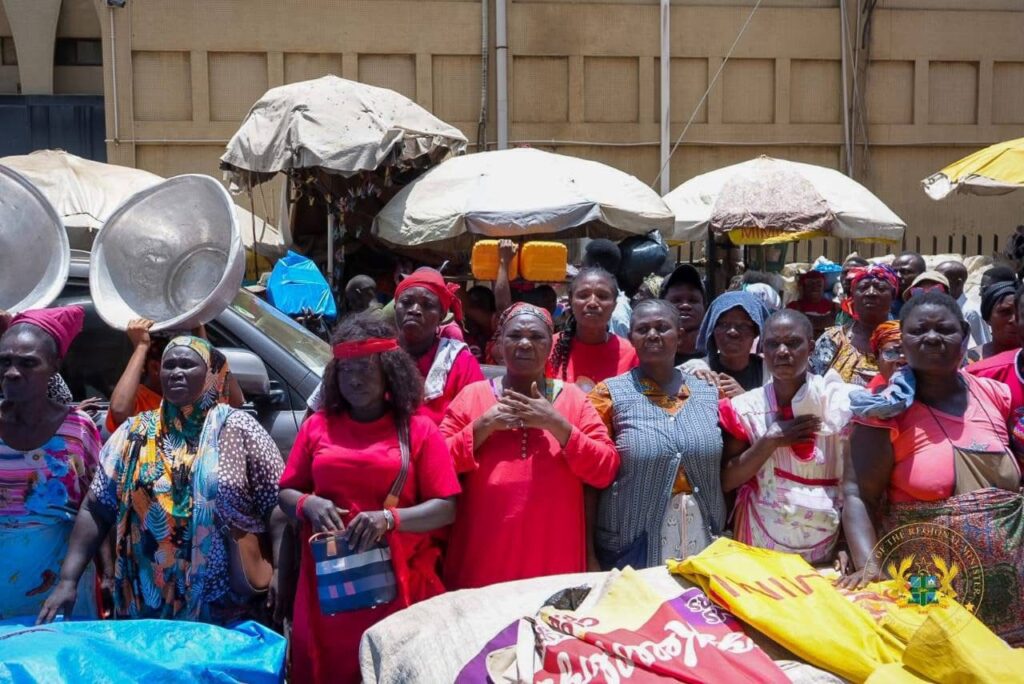
Reaffirming the GARCC’s broader vision, the Minister stressed the need to strike a careful balance between urban development and social protection. She noted that while modernization and infrastructure expansion are essential for growth, they must not come at the expense of vulnerable populations whose livelihoods depend on access to economic opportunities.
“Social harmony and economic progress are inseparable. As a region, we must ensure that development is inclusive and that the dignity of our market women—our mothers and sisters—is protected at all times,” she stated.
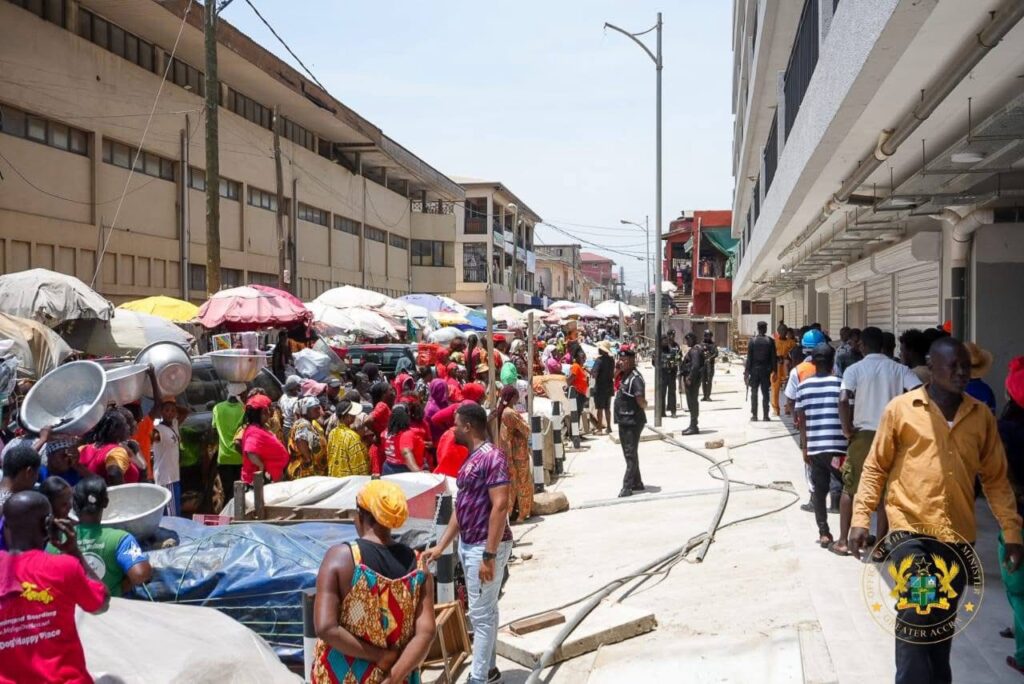
The Council has therefore appealed to all parties involved to remain calm and avoid actions that could further escalate tensions. Stakeholders have been urged to approach the upcoming mediation process with openness, mutual respect, and a willingness to compromise in the interest of achieving a fair outcome.
As efforts toward resolution continue, the GARCC has assured residents of its unwavering commitment to maintaining stability across the region. The Council pledged to closely monitor developments, enforce lawful practices, and implement policies that safeguard both economic activity and social cohesion within the Greater Accra Region.
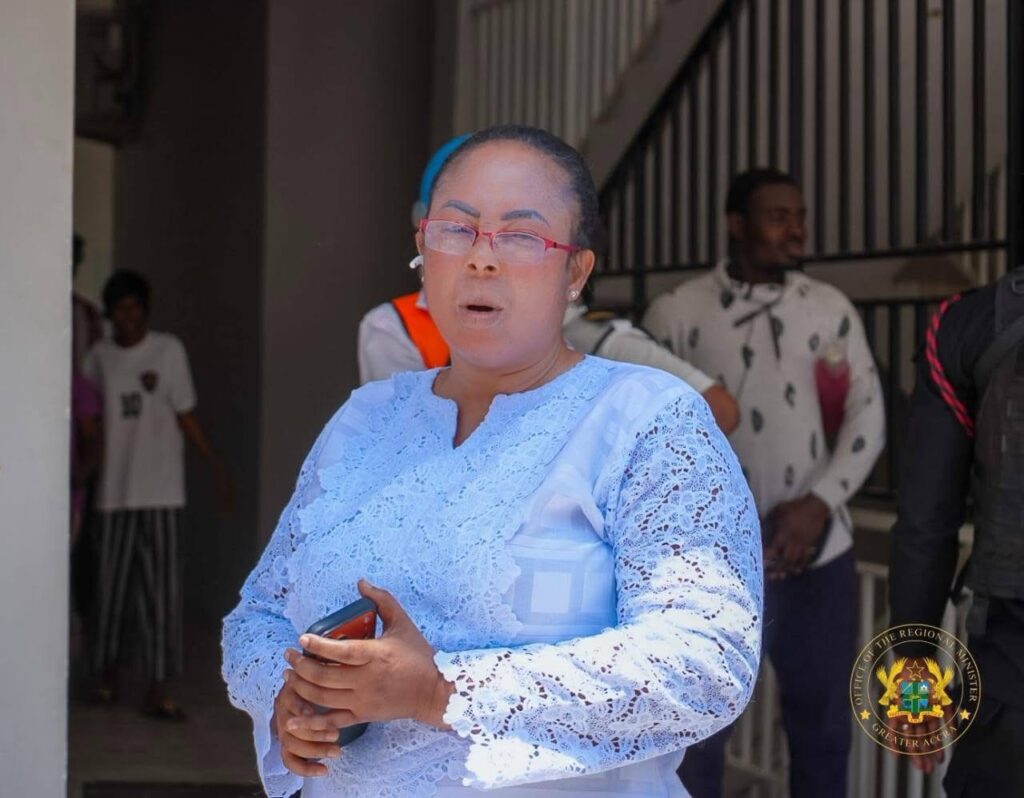
Authorities remain optimistic that through constructive engagement and collective responsibility, the current impasse can be resolved in a manner that upholds justice, protects livelihoods, and reinforces trust in the region’s governance systems.

Story by: Ernest Frimpong (0247220948) | Follow our social media handles @uktvghana | DM us for Ads on our website or any of our socials