

Ghana’s fight against illegal mining is gaining renewed momentum as authorities adopt a more coordinated and intelligence-driven approach to tackle the menace widely known as galamsey.
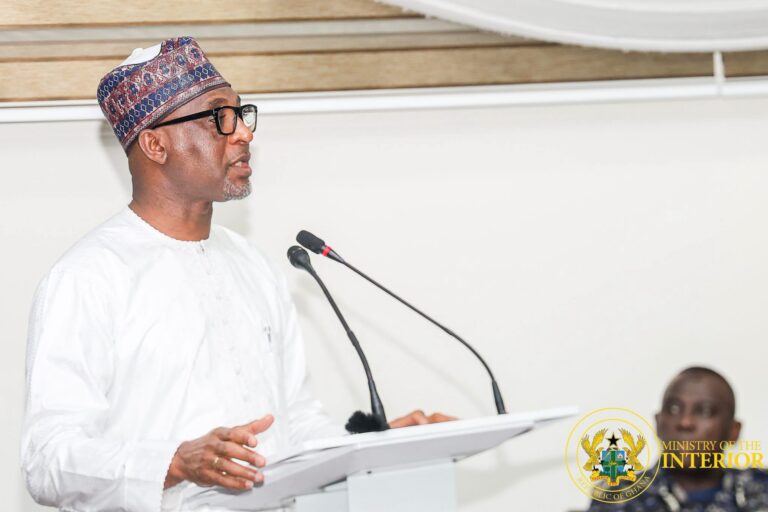
Speaking at the NAIMOS Editors Forum and quarterly press briefing, the Director of Operations of the National Anti-Galamsey Operation (NAIMOS), Dominic Buah, said the strengthened strategy has significantly improved enforcement outcomes and institutional collaboration.
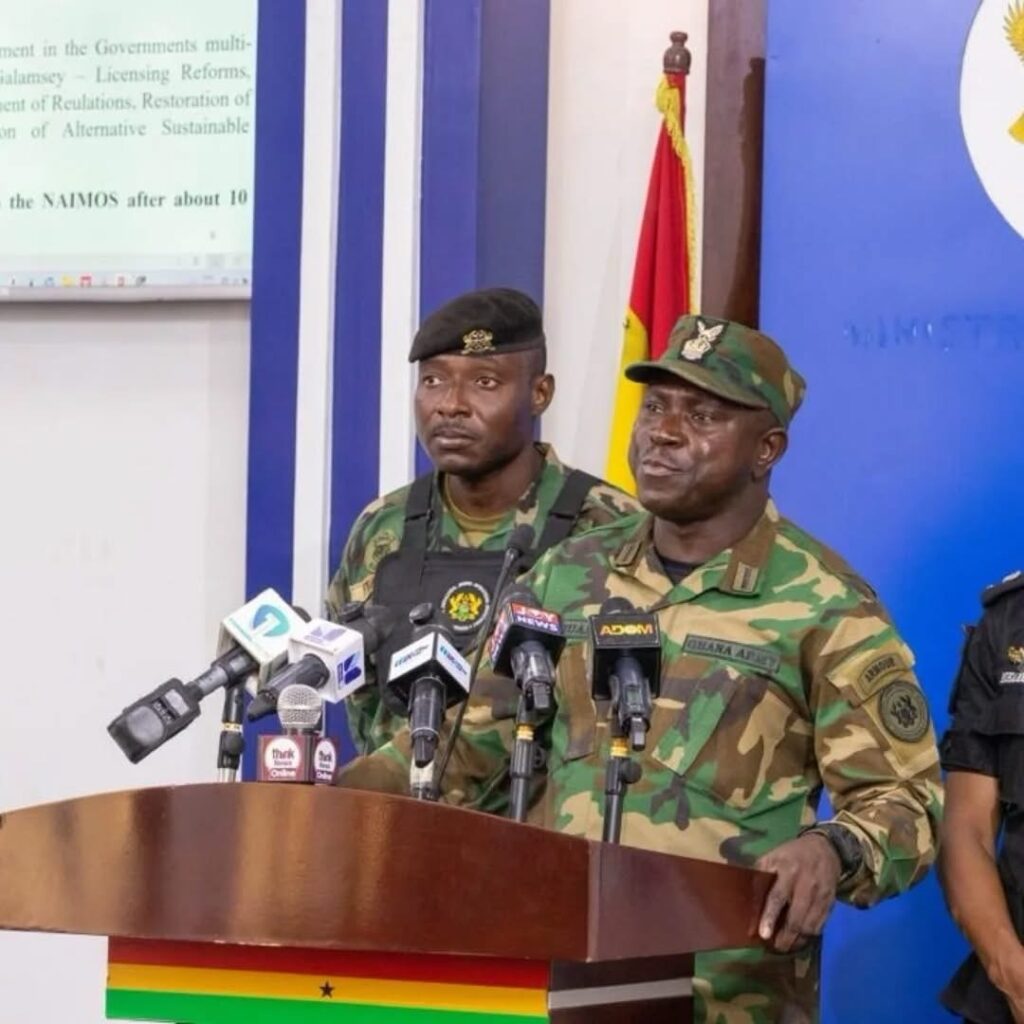
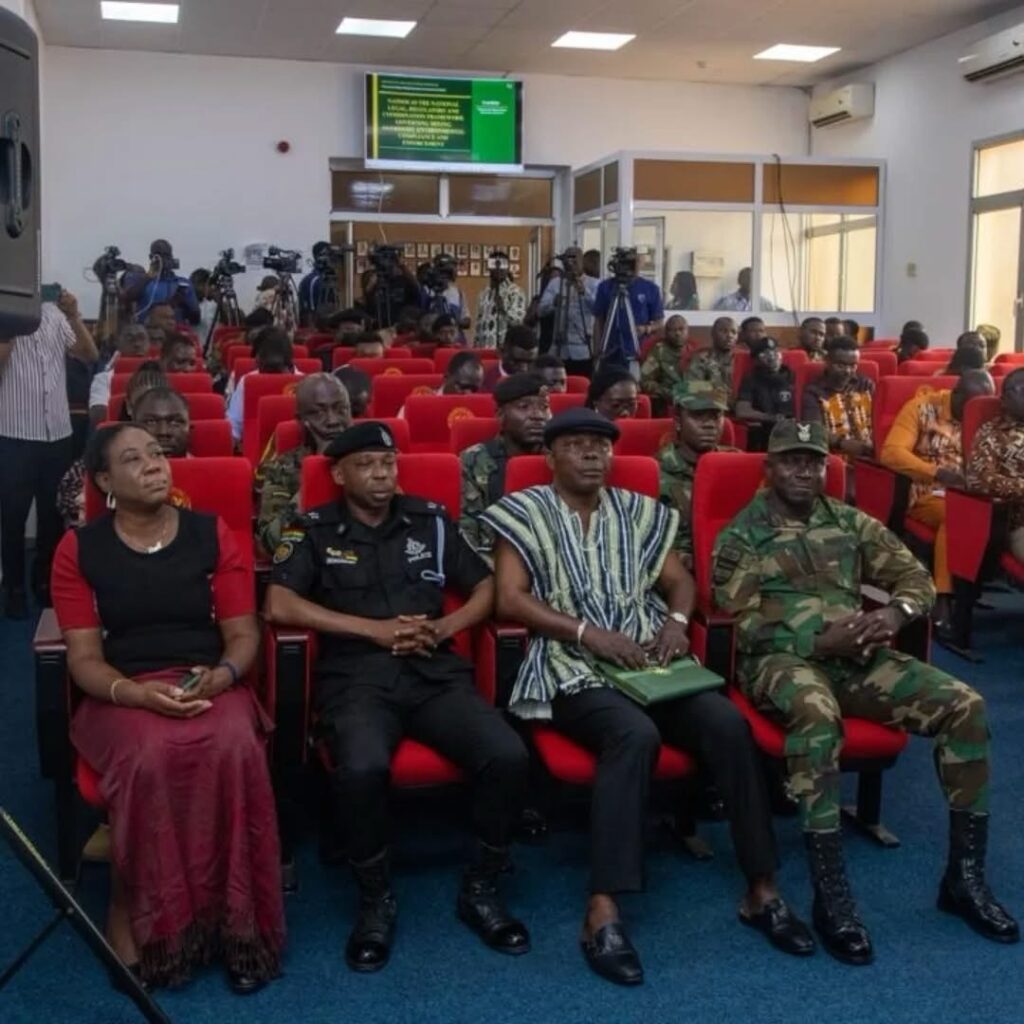
He credited the media for playing a pivotal role in elevating illegal mining into a national priority, noting that sustained coverage over the past year helped trigger decisive government intervention.
According to him, earlier anti-galamsey efforts involving agencies such as the Ghana Police Service, the Rapid Deployment Special Taskforce, and the Ghana Armed Forces were hindered by weak coordination and interference from rogue elements who allegedly extorted money from legitimate miners and disrupted operations.
These challenges, he explained, prompted the Ministry of Lands and Natural Resources to constitute a high-level committee to review past interventions and recommend a more effective framework.
Strategic Reforms and Creation of NAIMOS
The committee, composed of security experts, academics, and governance professionals, developed a comprehensive strategy anchored on three pillars—prevention, restoration, and sustainability. A key recommendation was the establishment of a centralized body to coordinate all anti-illegal mining efforts.
This led to the formation of NAIMOS, now serving as the main coordinating platform for operations nationwide.
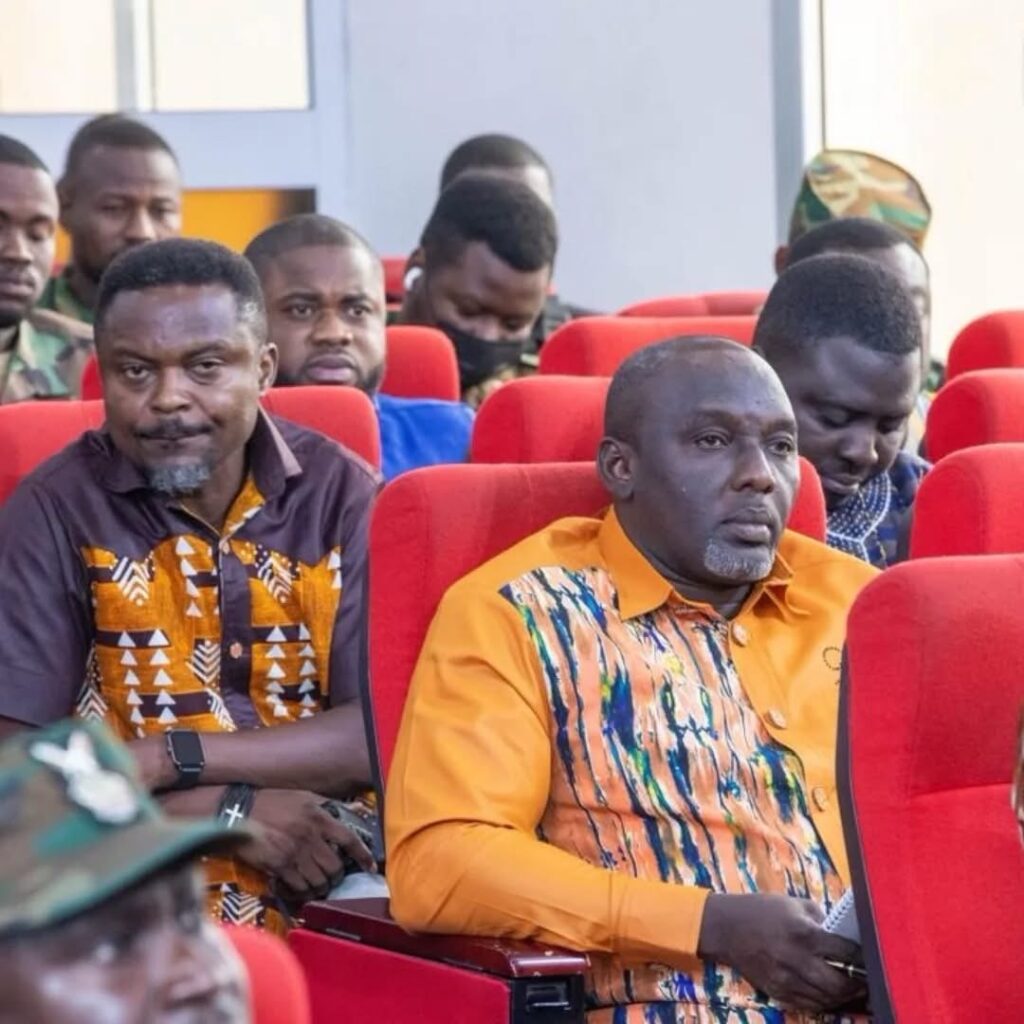
Col. Buah described the initiative as a turning point, revealing that within the past ten months, the taskforce has recorded significant progress through improved coordination and stakeholder collaboration.
NAIMOS works closely with regulatory bodies such as the Environmental Protection Agency, Minerals Commission, Forestry Commission, and the Water Resources Commission, while also engaging traditional authorities, local communities, and national security agencies.
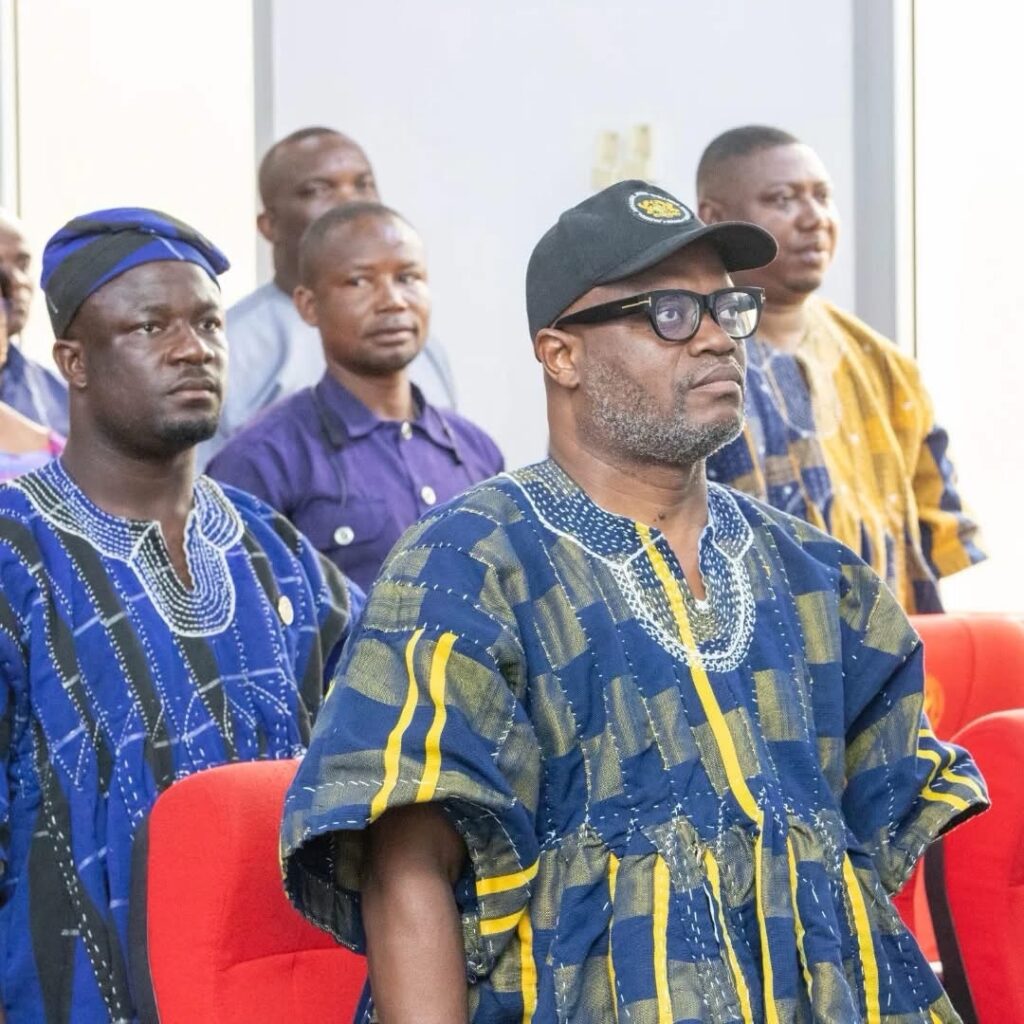
Operational updates are submitted regularly to the sector minister, with a Ministerial Advisory Group providing policy direction and mobilizing resources.
Intelligence-Driven Approach
The operations director emphasized that NAIMOS relies heavily on intelligence gathered from communities, chiefs, and informants to track illegal mining activities. The taskforce also acts on petitions from civil society organizations and affected residents.
A major innovation under the strategy is the Blue Water Initiative, a community-based surveillance system aimed at protecting water bodies and environmentally sensitive zones.

To improve efficiency, operations have been decentralized into seven regions, each divided into sectors targeting hotspots such as forest reserves, rivers, and key national installations.
The taskforce is also intensifying efforts to eliminate the use of hazardous chemicals, including mercury and cyanide, in small-scale mining.
Collaboration and Livelihood Support
Beyond enforcement, NAIMOS is partnering with institutions such as the Ghana Armed Forces, Ghana Police Service, immigration authorities, and district assemblies.
As part of efforts to address the root causes of illegal mining, the taskforce has introduced a cooperative and skills development programme to provide alternative livelihoods for those previously engaged in galamsey.

Operational Gains
Since its establishment, NAIMOS has made notable strides, including the seizure of 94 excavators, the destruction of nearly 3,000 dredging machines, and 237 arrests—among them foreign nationals.
Officials report an operational success rate of about 87 percent, with several excavators immobilized and key components removed to prevent reuse. The taskforce is also collaborating with the Ghana Integrated Iron and Steel Development Corporation to repurpose seized equipment.
Ongoing Challenges
Despite the progress, authorities acknowledge that the fight remains challenging. Some illegal miners have reportedly taken up arms, posing serious risks to enforcement teams.
There are also growing concerns about the involvement of foreign nationals and minors in illegal mining activities. Officials say investigations are ongoing, with plans to deport foreign offenders and involve child protection agencies where necessary.
Looking Ahead
NAIMOS says it will continue to refine its strategies, strengthen collaboration, and rely on sustained public support to combat illegal mining.
Authorities remain optimistic that with a unified national effort, Ghana can restore degraded lands and water bodies while protecting the environment for future generations.
Story by: Emmanuel Asiedu (0247220948) | Follow our social media handles @uktvghana | DM us for Ads on our website or any of our socials