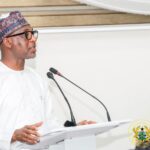


Mrs. Sylvia Owusu Ankomah, Chief Executive Officer of the Ghana Chamber of Telecommunications, has called for stronger collaboration among policymakers, regulators, telecom operators, and industry stakeholders to accelerate Ghana’s transition into a smart and fully digital economy.
Speaking during the celebration of the World Telecommunications and Information Society Day, Mrs. Owusu Ankomah emphasized the urgent need for Ghana’s infrastructure and built environment to evolve alongside rapidly advancing technology trends across the world.
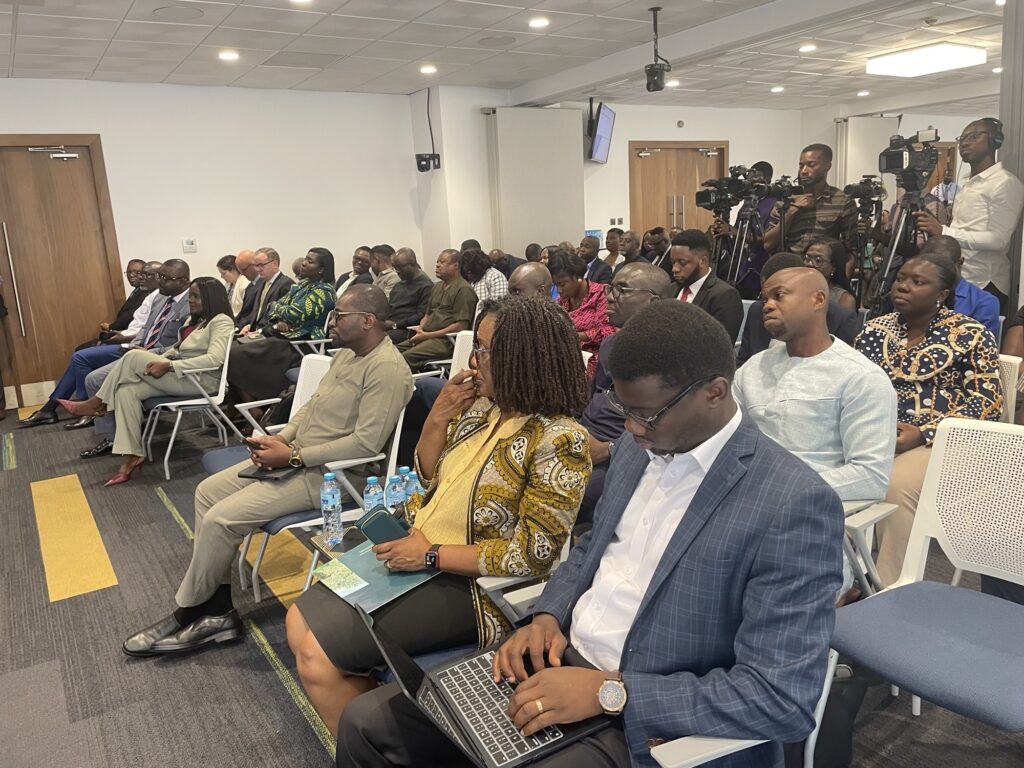
According to her, the era of smart homes, smart devices, and digital living is gradually becoming a reality, and Ghana must position itself to fully embrace these innovations. She explained that just as electrical pipelines are integrated into modern building construction, digital infrastructure and smart technology requirements should also become an essential part of housing and urban development policies.
Mrs. Owusu Ankomah disclosed that the telecom industry has already begun discussions with the National Communications Authority and the Ghana Standards Authority to ensure that smart technology standards are incorporated into national policies and building regulations.
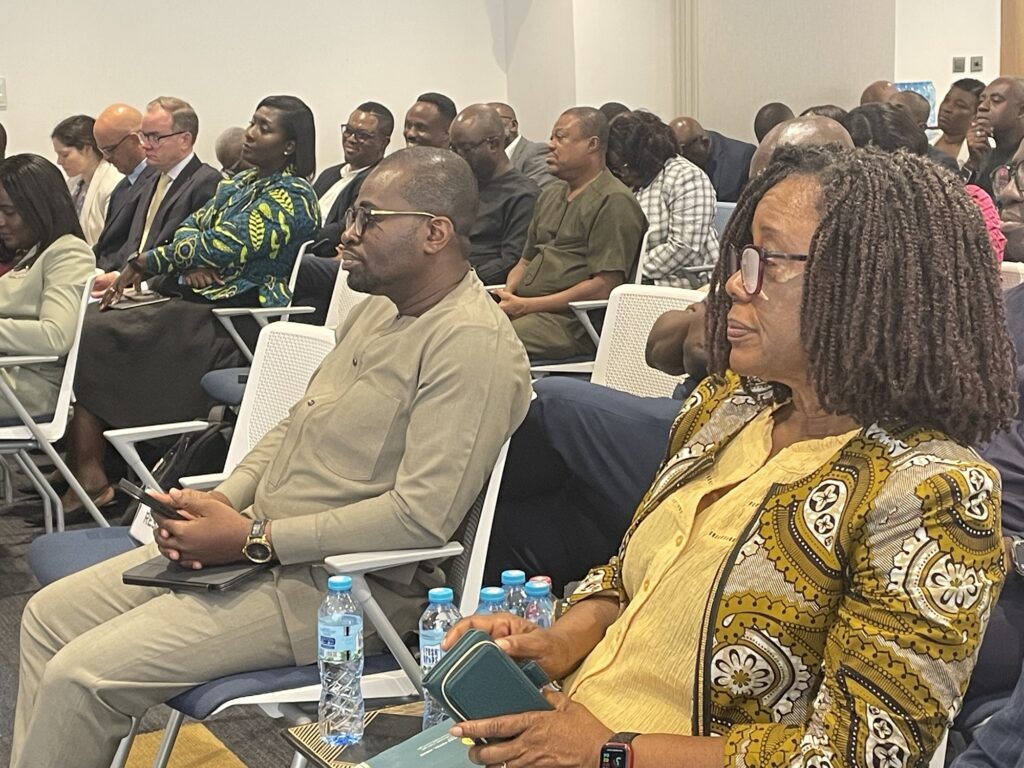
She noted that one of the biggest concerns currently facing the telecommunications sector is the low number of affordable and accessible 5G-enabled devices available to consumers in Ghana. Despite ambitious plans to expand 5G connectivity across the country, she revealed that Ghana presently has fewer than 40,000 5G-compatible devices in active use.
According to her, the country’s target of achieving a 70 percent 5G rollout within the next year remains ambitious, but telecom operators cannot succeed without ensuring that consumers have access to affordable smartphones capable of supporting 4G and 5G technology.
Mrs. Owusu Ankomah stressed that investments in digital infrastructure alone are not enough to guarantee meaningful digital transformation. She explained that policymakers and regulators must also consider measures that will encourage the availability and affordability of lower-end smartphones with advanced network capabilities.
She questioned how stakeholders intend to incentivize affordable smart devices for ordinary Ghanaians, insisting that bridging the affordability gap will be crucial in maximizing the benefits of ongoing investments in telecommunications infrastructure.
The CEO further highlighted the growing digital usage gap in the country, explaining that although Ghana has achieved almost 90 percent digital network coverage, many telecom sites and network facilities across the country remain underutilized because a significant number of citizens still lack access to compatible digital devices.
According to her, closing the usage gap must become a national priority if Ghana is to fully benefit from the expansion of digital connectivity and emerging technologies.
Mrs. Owusu Ankomah also praised the collaborative approach of the National Communications Authority, stating that the regulator has maintained open engagement with telecom industry players and continues to provide a platform for stakeholders to raise concerns and contribute to policy discussions.
She concluded by emphasizing that sustained collaboration between government, regulators, telecom operators, and private sector stakeholders will be key to building a resilient and inclusive digital future for Ghana.
Story by: Ernest Frimpong (0247220948) | Follow our social media handles @uktvghana | DM us for Ads on our website or any of our socials