


The government has announced an ambitious plan to support the development of 100,000 hectares of new oil palm plantations across the country as part of efforts to transform Ghana’s oil palm industry, create jobs and reduce the nation’s reliance on imported palm oil.
The Minister for Food and Agriculture, Hon. Eric Opoku, made the announcement in Accra at the National Oil Palm Forum organised by the Tree Crops Development Authority (TCDA).

The forum was held under the theme, “From Policy to Practice: The Role of TCDA in Resetting Ghana’s Oil Palm Industry,” and brought together stakeholders from across the oil palm value chain to deliberate on ways to improve production, processing and investment in the sector.
Speaking at the event, Hon. Eric Opoku said the government’s decision to support the cultivation of 100,000 hectares of new oil palm plantations is aimed at significantly increasing domestic production while opening up new economic opportunities for farmers and other players in the agricultural sector.
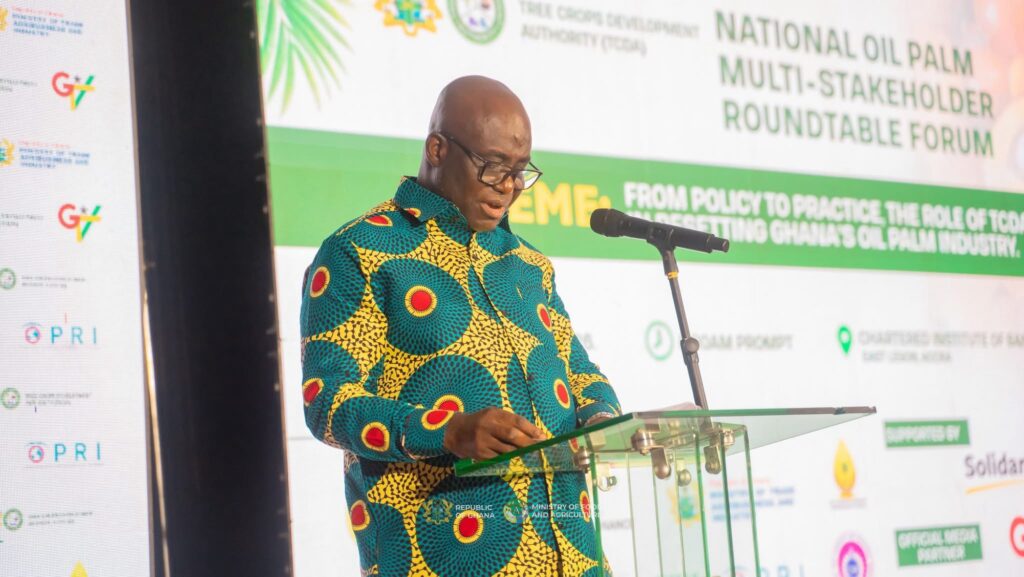
He said a stronger and more productive oil palm industry has the potential to create thousands of jobs, improve the livelihoods of farming communities and reduce the country’s dependence on imported palm oil and related products.
The Minister also called for greater collaboration among government agencies, farmers, investors, financial institutions, processors and other stakeholders, stressing that the development of the sector requires a collective effort.

According to him, government alone cannot transform the oil palm industry. He therefore urged stakeholders to work together to address the challenges that have continued to limit the growth and competitiveness of the sector.
Hon. Opoku identified five key areas that require immediate attention.
These include improving productivity and ensuring farmers have access to quality planting materials; strengthening the participation of smallholder farmers; addressing challenges relating to land acquisition and access to financing; expanding processing and value addition; and developing a traceable, inclusive and sustainable oil palm value chain.
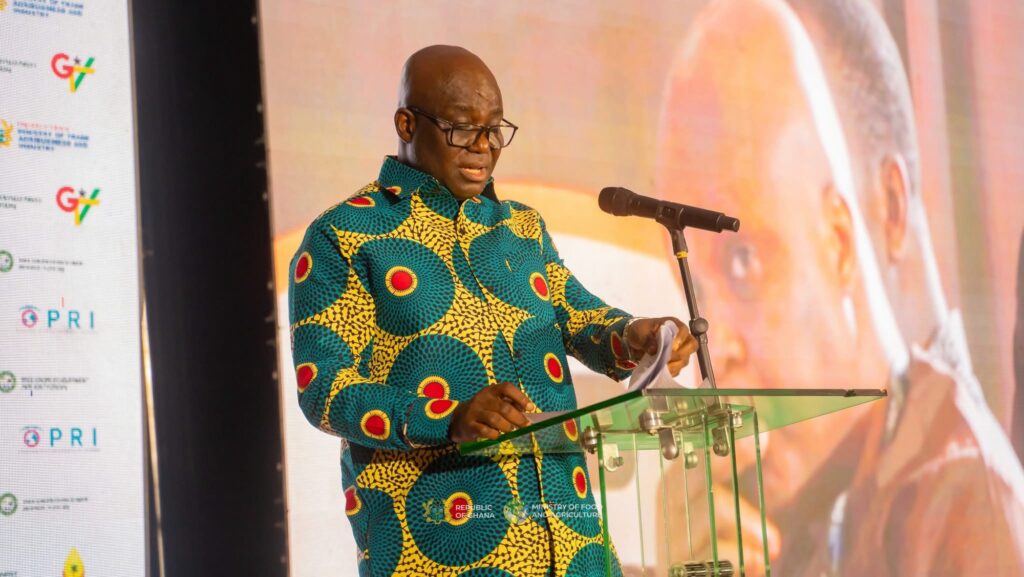
The Minister noted that improving access to quality seedlings and modern farming practices would be critical to increasing yields and ensuring that farmers are able to produce competitively.
He also stressed the importance of supporting smallholder farmers, who form a significant part of Ghana’s agricultural economy, with the necessary resources, financing, technology and technical assistance.
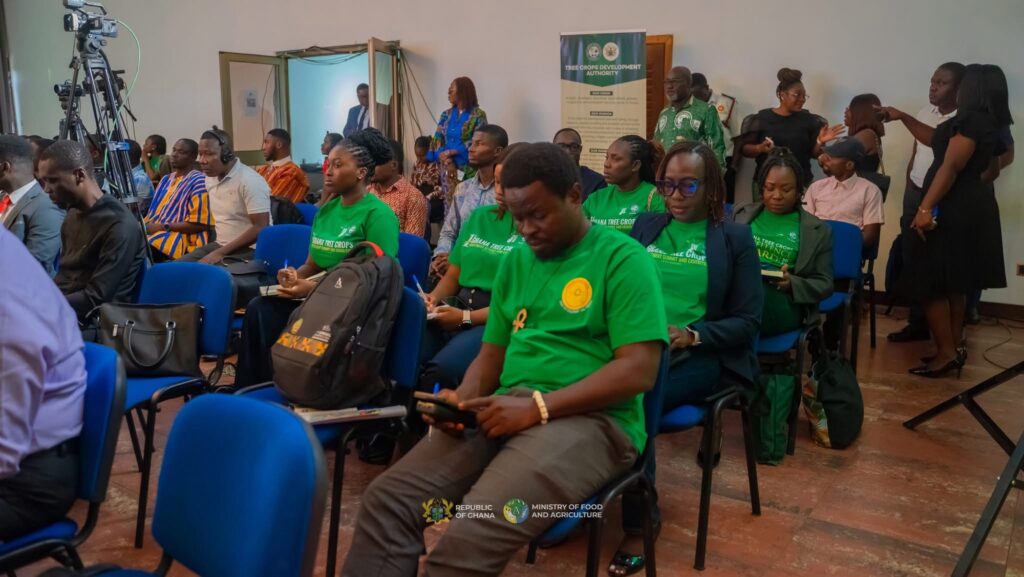
The government further believes that expanding processing and value addition will help Ghana derive greater economic benefits from its oil palm production by creating opportunities for local industries to produce finished and semi-finished products.
Stakeholders at the forum were therefore encouraged to move beyond policy discussions and focus on practical measures that can deliver measurable results for farmers, investors and consumers.

The government says the 100,000-hectare expansion plan is part of a broader strategy to reset Ghana’s oil palm industry and position it as a major contributor to agricultural growth, industrialisation, employment and economic development.
With stronger collaboration and sustained investment, government hopes the initiative will help build a more productive, inclusive and environmentally sustainable oil palm sector capable of meeting domestic demand while creating new opportunities within the agricultural value chain.
From policy to practice, Ghana is positioning its oil palm industry for sustainable growth, increased local production and greater economic opportunity.

Story by: Ernest Frimpong (0247220948) | Follow our social media handles @uktvghana | DM us for Ads on our website or any of our socials